Crane Reach and Capacity Finder
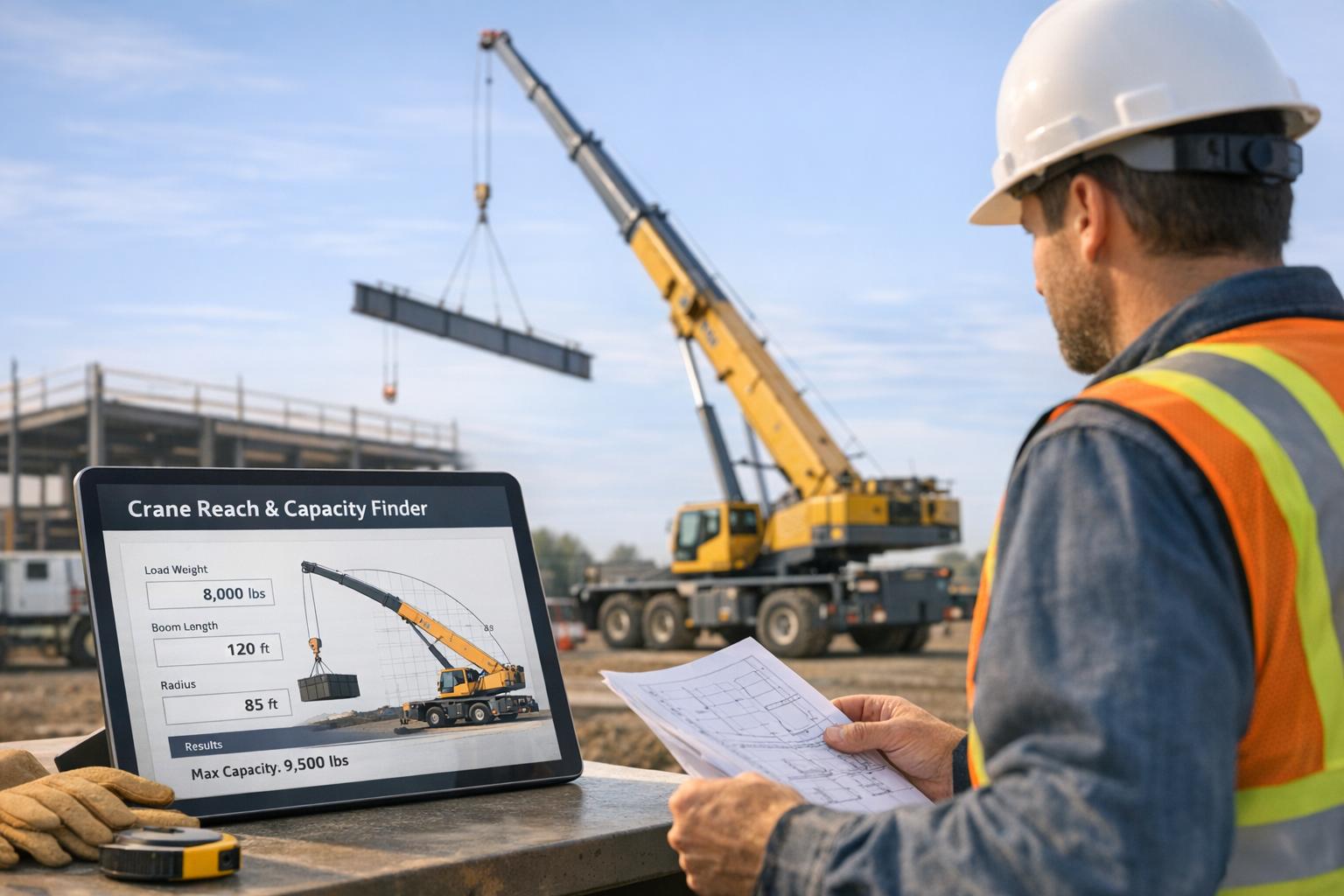
Crane Reach and Capacity Finder
Planning a lift takes more than matching a load to a crane’s headline rating. Reach, hook height, swing clearance, and available setup space all affect whether a machine can safely perform the work. A Crane Reach and Capacity Finder helps construction professionals evaluate those variables early, so equipment selection is faster and more realistic.
Built for Real Job Site Conditions
This tool uses practical inputs such as lift height, horizontal radius, load weight, and site constraints to narrow down suitable crane options. That may include mobile cranes for flexible placement or tower cranes for projects that need repeated picks over a longer schedule. Instead of offering a generic answer, it focuses on workable matches based on common crane specifications and conservative screening.
Smarter Equipment Selection
A good Crane Reach and Capacity Finder can save time during preconstruction, bidding, and lift planning by showing which crane types are likely to fit the job before you dig into detailed load charts. It also flags limitations, giving crews a clearer view of what may require a larger unit, a different setup, or added review. For contractors, project managers, and lift planners, that means better decisions and safer starting points.
FAQs
How accurate are the crane recommendations?
The recommendations are designed to be practical for early-stage planning, budgeting, and equipment screening. The tool compares your inputs with typical crane specifications and applies safety-minded filtering, but it should not replace official load charts, engineering review, or a lift plan prepared by qualified personnel. Actual crane performance can change based on boom configuration, counterweights, outrigger setup, ground conditions, wind, and lift radius.
Can this tool help me choose between a mobile crane and a tower crane?
Yes. If your project inputs suggest that either type could work, the tool can highlight both and show why one may be more suitable. For example, a tower crane may make sense for repeated lifts on a dense urban build, while a mobile crane may be better for shorter-term work, flexible positioning, or jobs with changing lift points. The goal is to help you compare options in a clear, job-focused way.
Why do safety margins matter when selecting a crane?
A crane that barely meets the required load or reach on paper may not be the safest choice in the field. Real projects involve changing conditions, limited setup room, clearance issues, and operational variables that can reduce practical lifting capability. By prioritizing safety margins, the tool helps steer users toward options with more working room, which supports safer planning and reduces the risk of selecting an undersized crane.
Related Articles
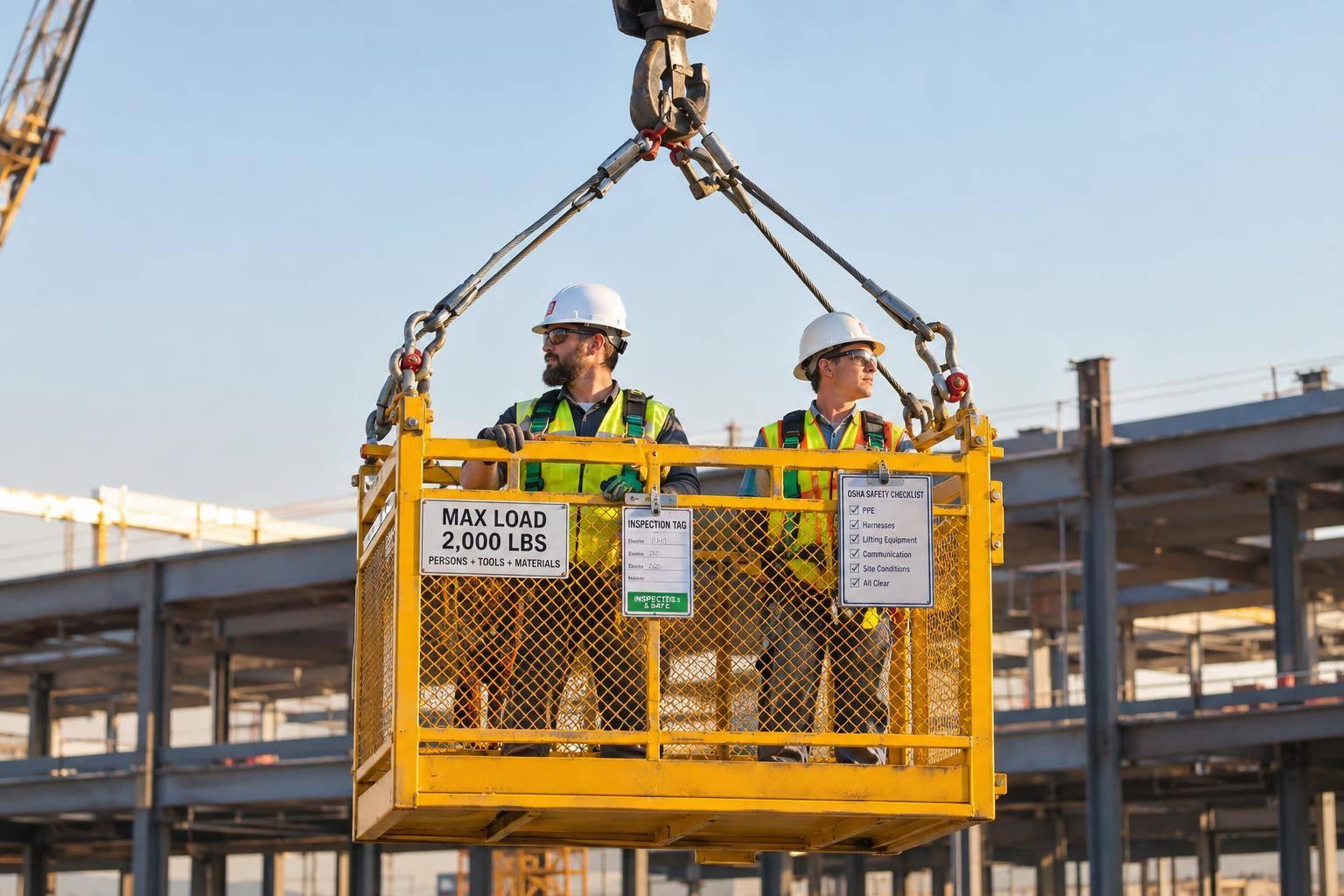
Man Basket Safety Standards: OSHA Guidelines
OSHA checklist for crane-hoisted man baskets: design, proof tests, trial lifts, fall protection, training, and rescue plans.
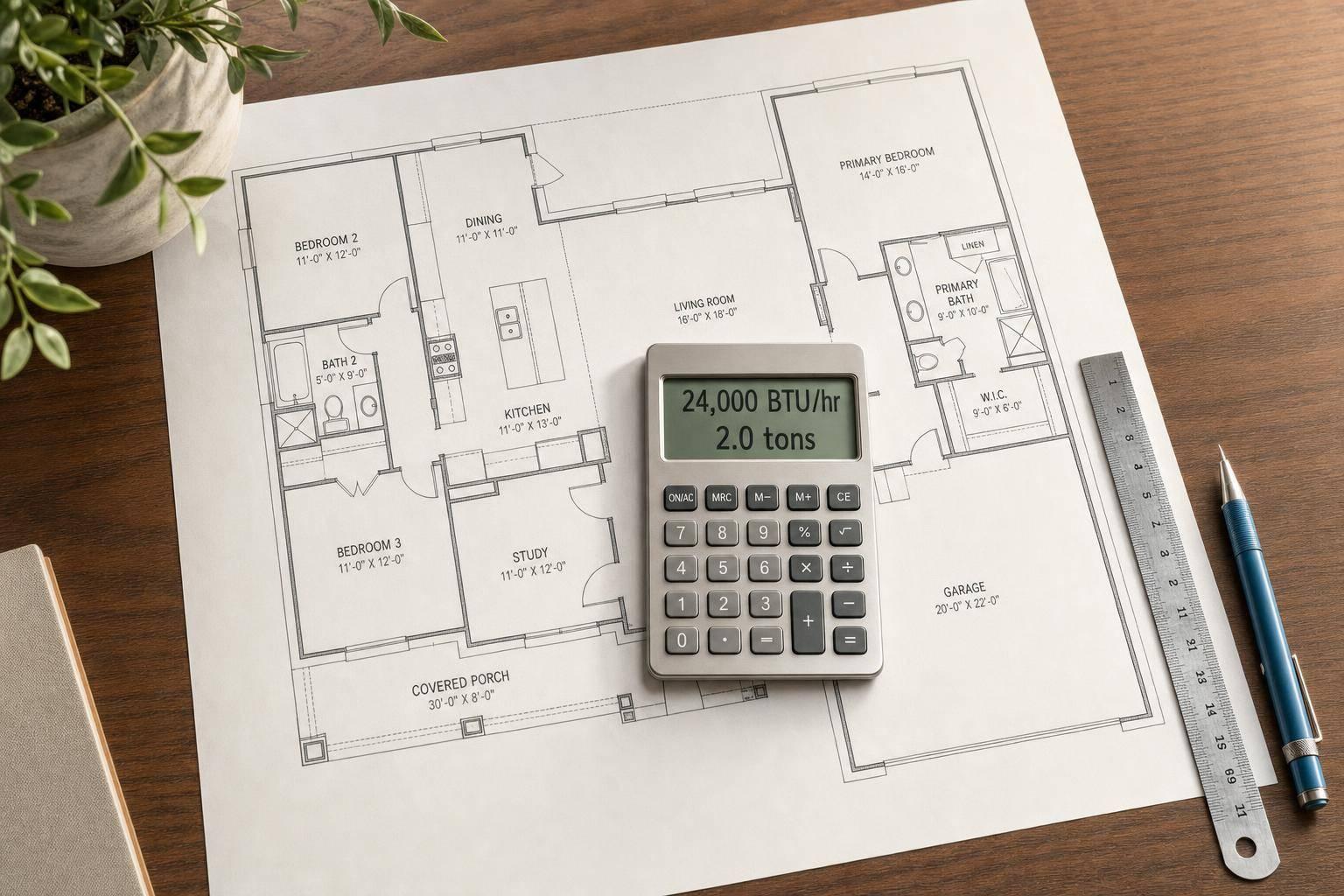
HVAC Tonnage Calculator
Estimate AC size in BTU/hr and tons using area, climate, insulation, and more—then compare your result with practical unit size ranges.
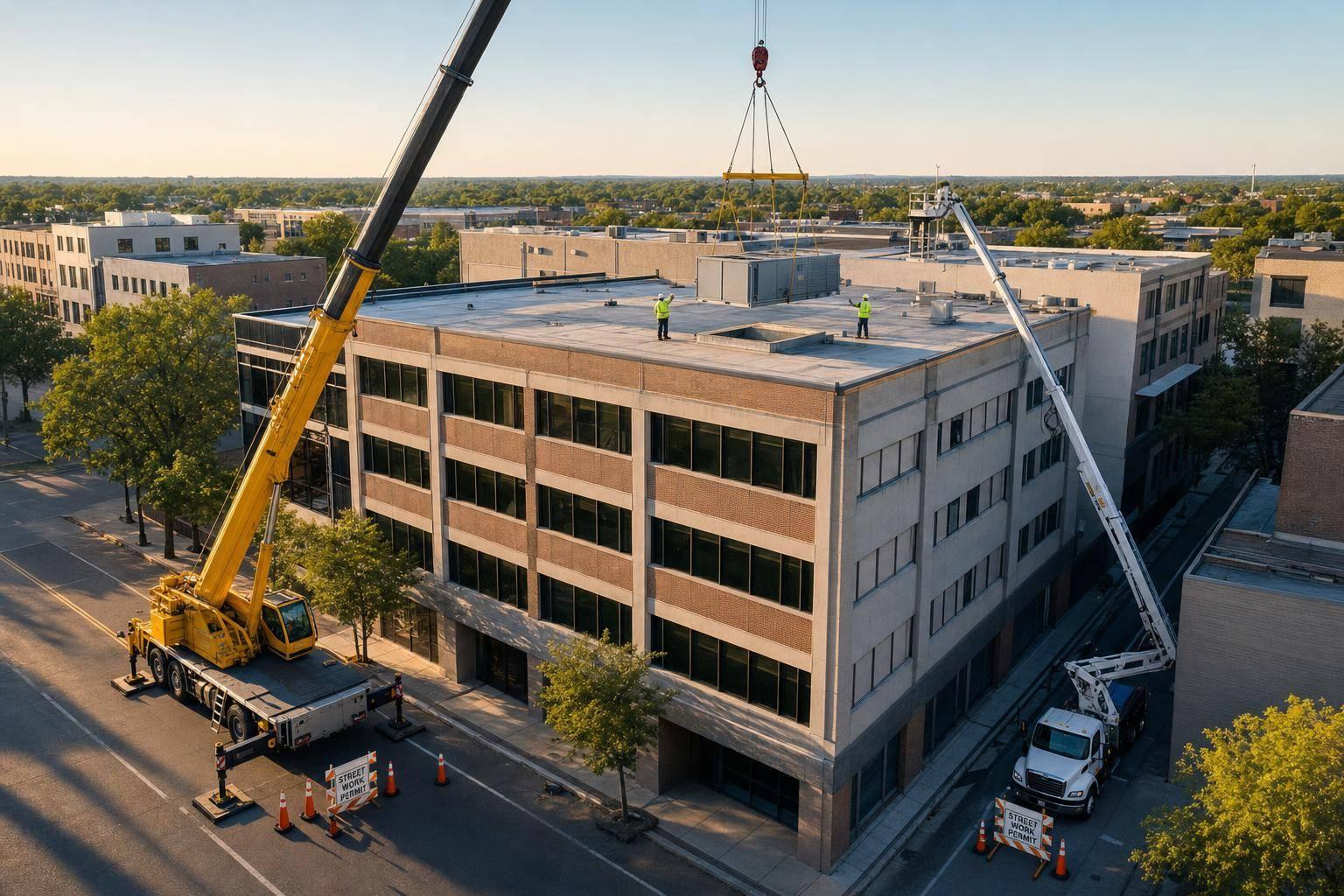
Crane vs Boom Truck for HVAC Lifting
Compare boom trucks vs mobile cranes for rooftop HVAC lifts—weight, height, working radius, site access, permits, and true job cost.