
Planning Your Lifting Job: Understanding the Timeline

Time is money. That’s especially important in New York City, one of the most expensive places in the world to build or do repair work. When your construction project requires the use of a crane, it’s important to understand the timeline involved. There are many steps that have to be completed in advance of the actual pick, such as:
- Arranging for any necessary engineered drawings
- Applying for required permits & approvals
- Hanging and distributing all signs and notices needed for the project
- Coordinating the logistics of bringing the equipment on site
Engineered drawings are required by the city whenever you need MTA approval for projects taking place above or near subways. They are also needed when you have more than 250 feet of boom configuration. Engineered drawings should be completed prior to obtaining DOT permits.
The type & number of required permits and approvals depends on the location of your project. If your project is such that the crane must be set up over a subway tunnel, approval from the Transit Authority is required, which can be time-consuming. It’s a good best practice to allow 4-8 weeks for acquiring permits.
If your project doesn’t require setting up over a subway tunnel but you need a partial or full street closure, allow 1-2 weeks to secure these permits from the Department of Transportation. Partial street closure permits are generally good for 5 business days; full street closure permits are generally good for 2 days.
The timeline we’ve quoted is based on our experiences. If it’s your first attempt at trying to get all of the necessary paperwork in place, be prepared to spend more time.
Save Time, Save Money: Choose a Full-Service Crane & Rigging Company
One of the reasons it’s advantageous to choose an experienced full-service crane & rigging company for lifting jobs in NYC is because the permitting process can be complex and time consuming. At L&M Crane & Rigging, we have the advantage of experience. We’ve gone through this process thousands of times. We have good working relationships with the regulatory authorities and know what information they need to grant the necessary permits. This allows us to be highly efficient.
Related Articles
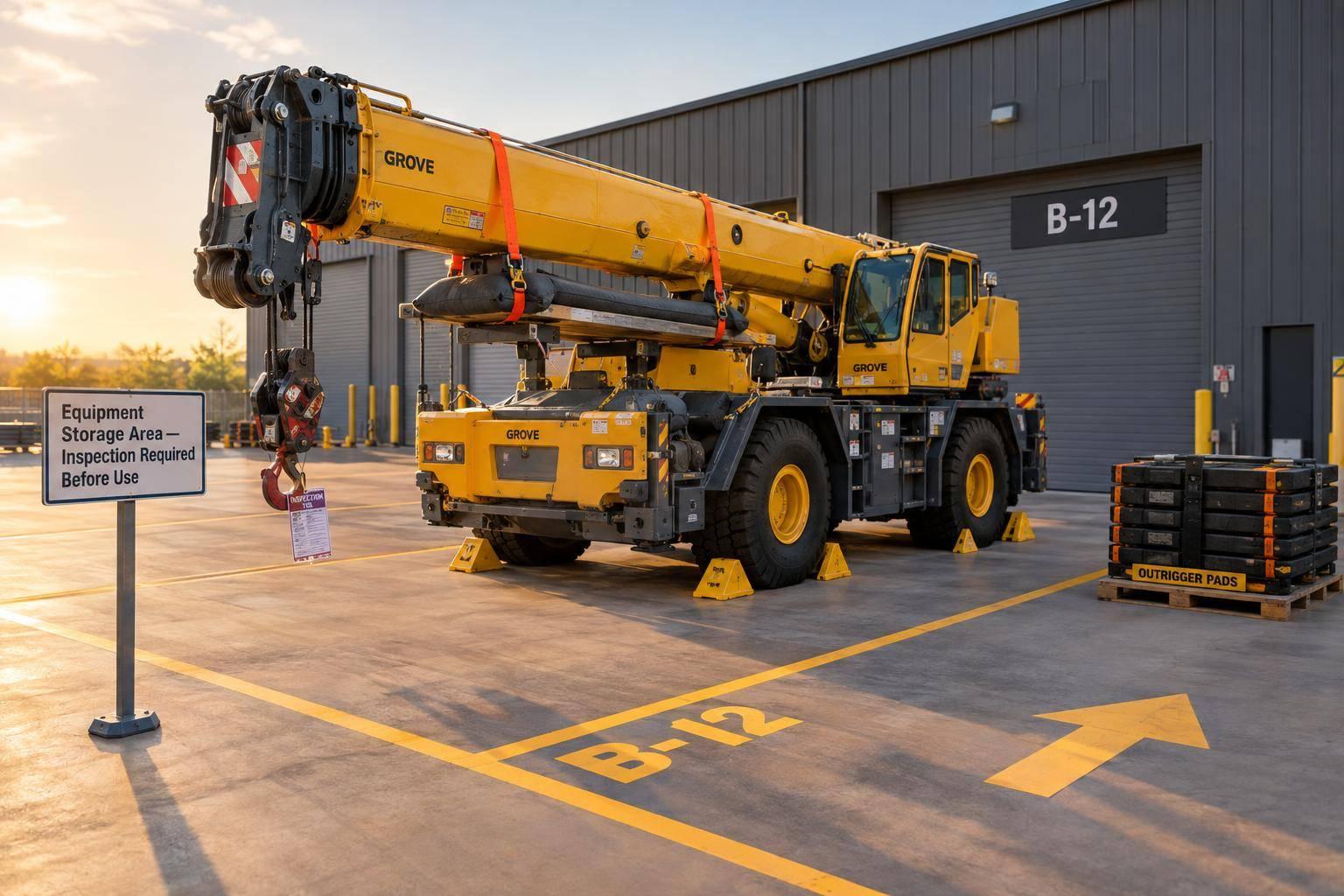
OSHA Rules for Crane Equipment Storage
Storing cranes safely requires following OSHA standards, manufacturer instructions, and qualified inspections before reuse.
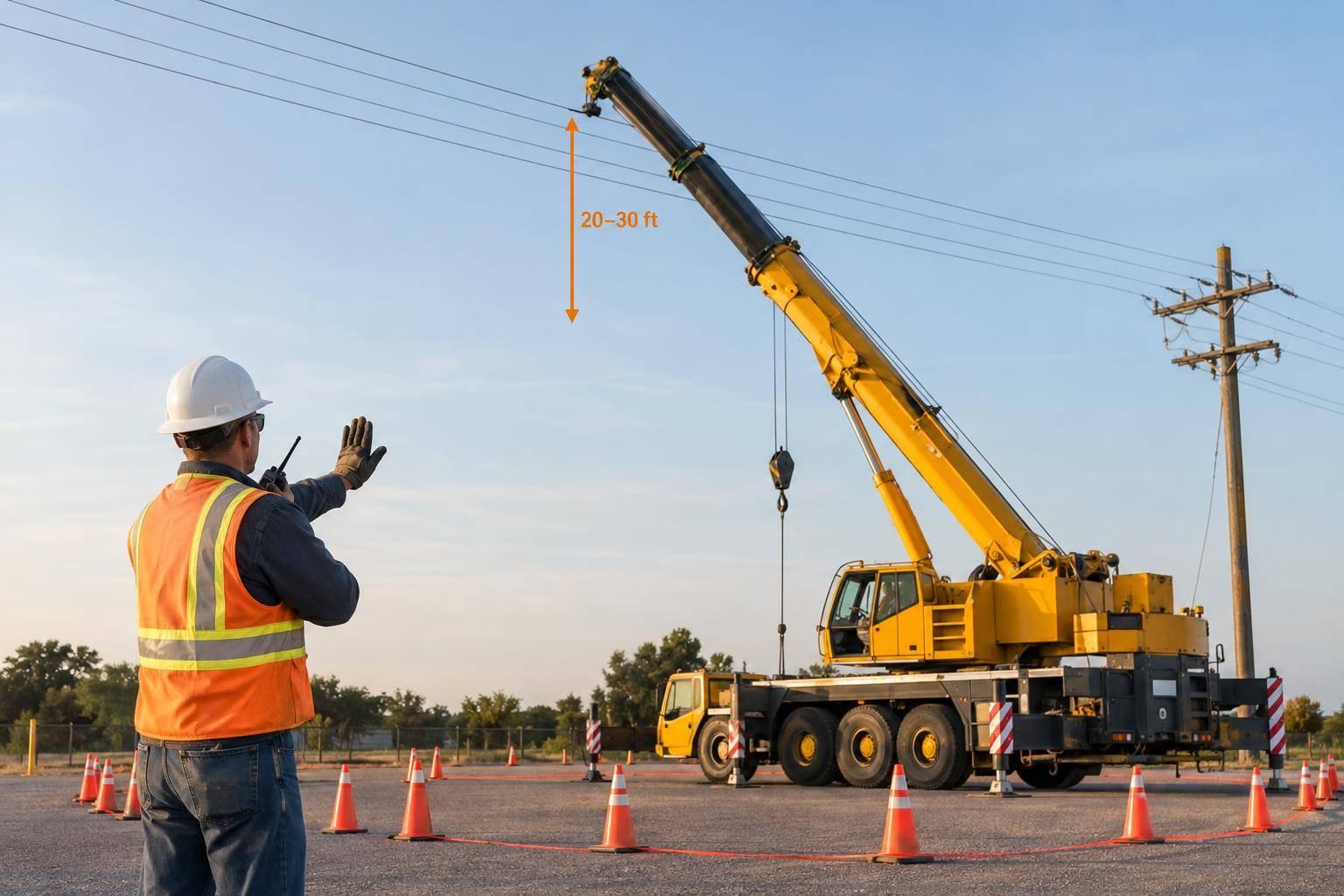
OSHA Guidelines for Overhead Clearance in Crane Operations
OSHA rules for crane work near power lines: when to keep 20-50 ft clearance, required controls, spotter duties, and pre-lift checks.
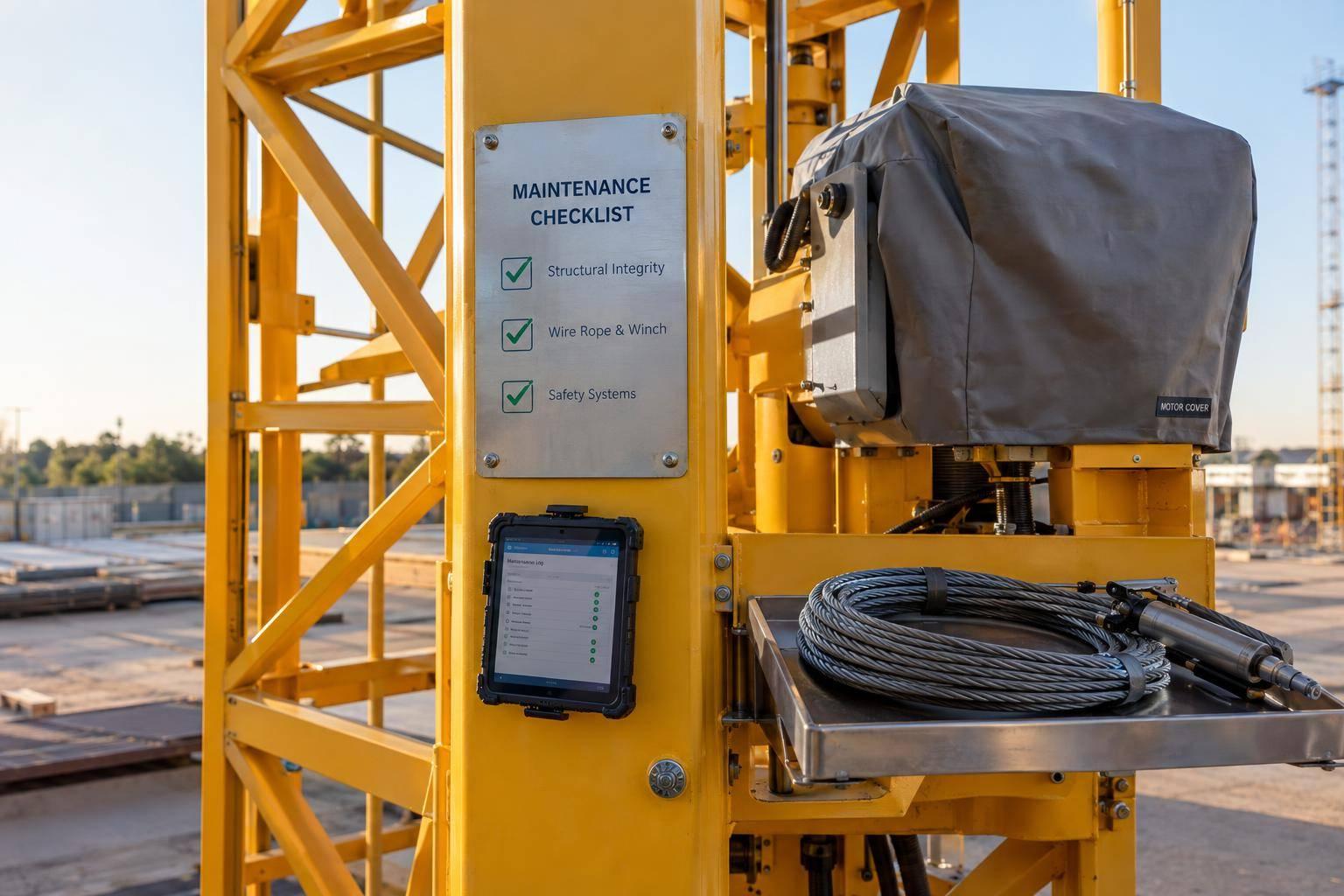
Checklist for Cost-Effective Crane Maintenance
Daily and scheduled inspections, lubrication, weather protection, and recordkeeping to reduce crane repairs, downtime, and maintenance costs.