
Checklist for Cost-Effective Crane Maintenance
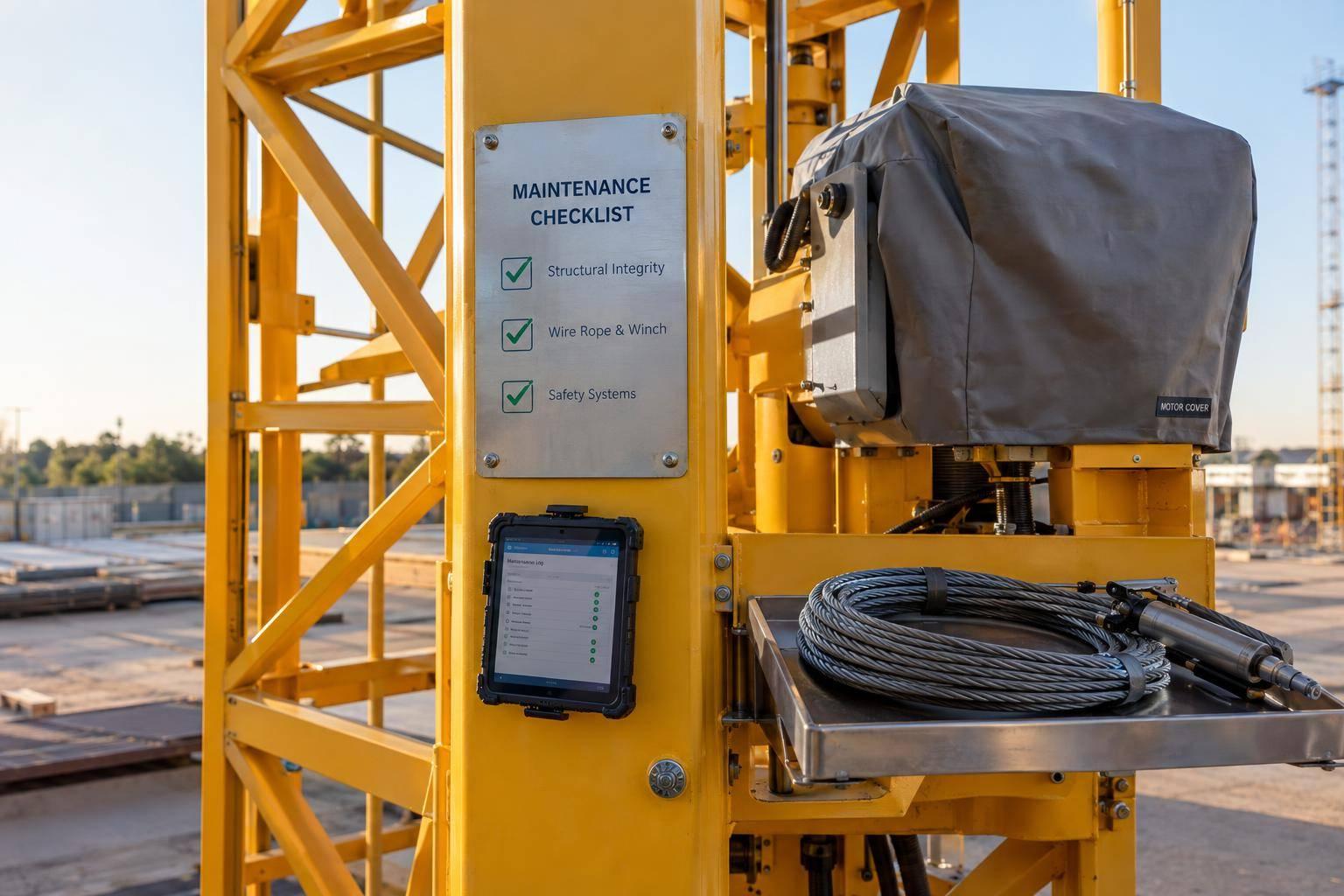
I cut crane maintenance costs by catching wear early - not by putting off safety repairs. My starting point: check before each shift, follow the manufacturer’s service schedule, and keep unsafe equipment out of use.
Here’s what I track to help you avoid repeat repairs and downtime:
- Inspection dates: Follow the rules for your crane type, including monthly and at least every 12 months for construction cranes in service.
- Service and weather protection: Lubricate as directed, replace worn parts, and guard against salt, moisture, and freezing conditions.
- Return-to-service checks: Complete required checks after storage, assembly, repairs, or changes.
- Records and costs: Log defects and repairs, review spending monthly, and divide maintenance costs by operating hours to track cost per hour.
- Task ownership: Give each open job a named owner and a due date.
My rule is simple: plan routine work, but never postpone a safety-critical repair. <u>Lower costs must not come at the expense of safe lifting.</u>
Mobile Crane Pre-Start Inspection | Daily Checklist Walkaround
sbb-itb-798c36f
Inspection and Maintenance Schedule Checklist
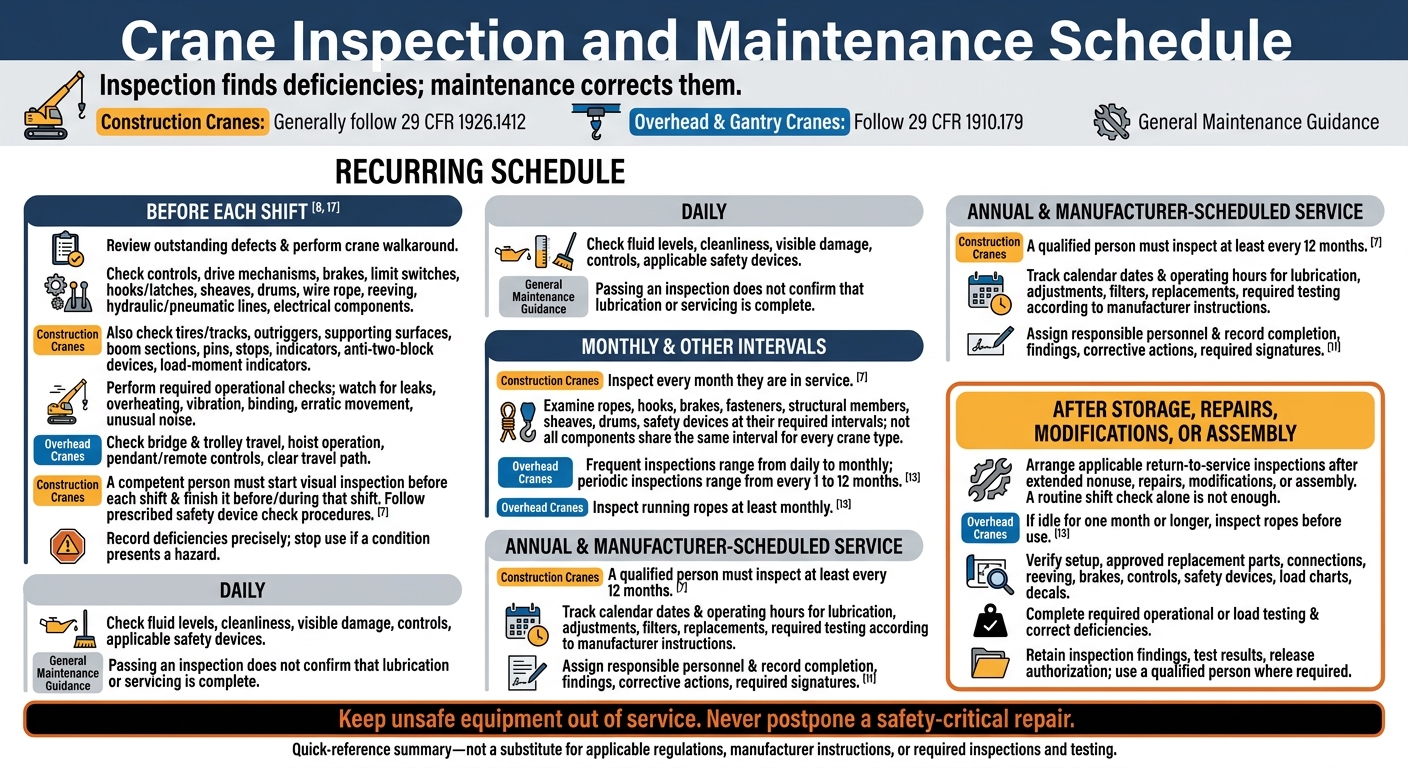
Crane Inspection and Maintenance Schedule
Use these intervals to stay on schedule and catch problems before they lead to costly downtime.
Inspection finds deficiencies; maintenance corrects them. Before setting intervals, identify the crane type. Mobile construction cranes generally follow 29 CFR 1926.1412; overhead and gantry cranes follow 29 CFR 1910.179. The aim is fewer failures, less downtime, and lower repair costs.
Before Each Shift: Check Crane Condition
- [ ] Review outstanding defects and walk around the crane. Check controls, drive mechanisms, brakes, limit switches, hooks and latches, sheaves, drums, wire rope, reeving, hydraulic or pneumatic lines and fittings, and electrical components. For mobile cranes, also check tires or tracks, outriggers, supporting surfaces, boom sections, pins, stops, indicators, anti-two-block devices, and load-moment indicators, as applicable.
- [ ] Perform required operational checks. Look for leaks, overheating, vibration, binding, erratic movement, and unusual noise. For overhead cranes, check bridge and trolley travel, hoist operation, pendant or remote controls, and whether the travel path is clear. Record deficiencies precisely and stop use if a condition presents a hazard.
For construction cranes, a competent person must start the visual inspection before each shift and finish it before or during that shift. Follow prescribed procedures when checking safety devices.
Daily, Monthly, and Annual: Follow Required Schedules
Daily: Check fluid levels, cleanliness, visible damage, controls, and applicable safety devices. Passing an inspection does not confirm that lubrication or servicing is complete.
Monthly and other required intervals: Inspect construction cranes every month they’re in service. Examine ropes, hooks, brakes, fasteners, structural members, sheaves, drums, and safety devices at the required intervals. For overhead cranes, frequent inspections range from daily to monthly, and periodic inspections range from every 1 to 12 months. Inspect running ropes at least monthly.
Annual and manufacturer-scheduled service: Have a qualified person inspect construction cranes at least every 12 months. Track calendar dates and operating hours for lubrication, adjustments, filters, replacements, and required testing. Assign responsible personnel, then record completion, findings, corrective actions, and required signatures.
After Storage, Repairs, or Assembly: Check Readiness
- [ ] Confirm return-to-service inspections. Arrange the applicable inspections after extended nonuse, repairs, modifications, or assembly. A routine shift check alone isn’t enough. An overhead-crane rope that has been idle for one month or longer must be inspected before use.
- [ ] Verify readiness before return to service. Check setup, approved replacement parts, connections, reeving, brakes, controls, safety devices, load charts, and decals. Complete required operational or load testing and correct deficiencies. Retain inspection findings, test results, and release authorization, and use a qualified person where required.
Maintenance Cost-Control Checklist
Use this checklist to cut repeat repairs, reduce waste, and keep cranes in service.
☐ Assign maintenance only to qualified personnel. Lock out energy sources before work begins.
Lubricate Parts and Replace Worn Components
☐ Follow the specified lubricant type, quantity, and interval for bearings, gears, sheaves, and wire rope where required. Clean fittings first. Keep excess lubricant off brakes and walking surfaces, and choose compatible rope lubricant that allows visual inspection.
☐ Check reeving, seating, and securing after relevant work. Fix leaks instead of repeatedly topping off fluids. Replace worn components at applicable removal limits with parts that meet manufacturer specifications. If a failure repeats, review its root cause rather than automatically swapping parts again.
Protect Cranes From Salt, Moisture, and Freeze-Thaw Weather
Weather damage can get expensive fast by speeding up corrosion and causing electrical faults.
☐ Keep electrical enclosures clean, dry, and securely closed. Remove road salt, mud, and sand. Check exposed steel, connectors, pins, and hydraulic fittings for corrosion to help limit damage and downtime.
☐ Check fluids for moisture or contamination, and drain trapped water. Follow manufacturer cold-weather guidance for fluids, batteries, startup, and shutdown to avoid preventable damage.
☐ Store equipment on a suitable surface, using covers that do not trap moisture. Check for weather damage and verify operation before reuse.
Safety-critical defects need attention now - not a place on the deferred-maintenance list.
Fix Hazardous Defects Before Reuse
☐ Stop operation if any defect affects lifting, load control, or safety devices. Tag the crane out of service, notify the supervisor, and prevent use by anyone without permission. Before release, require correction by qualified personnel and any required testing or inspection. Restore guards, remove tools, and return all safety devices to service.
☐ Group only noncritical work. Require a documented risk assessment, supervisor approval, and a completion date, with confirmation that continued use remains safe and compliant. Use condition trends to schedule maintenance - not to replace required inspections. After emergency repairs, inspect related components and resume preventive maintenance.
Maintenance Records and Monthly Cost Review
Record each inspection or repair as soon as it’s finished. This keeps costs, trends, and repeat defects easy to track.
Log Inspections and Repairs
Keep one record per crane. Include the crane ID, make, model, serial number, hour-meter reading, inspection date and type, items checked, findings, corrective actions, parts used, labor hours, and inspector’s name and signature. Link every defect to a work order that documents the correction, verifier, and return-to-service approval.
Track wire ropes separately where required. Record the rope ID or location, condition, disposition, inspection date, and inspector’s signature.
Set reminders and keep records accessible. Track the last completion date, next due date, operating-hour interval, and responsible person. Keep construction-crane monthly inspection records for at least 3 months and annual or comprehensive inspection records for at least 12 months. Maintain electronic backups, and follow longer retention periods when required.
Use these records to see where maintenance time and money go.
Review Costs, Downtime, and Repeat Failures
Review monthly spending by crane and work order. Track parts, outsourced service costs, labor hours, labor cost, emergency repairs, and downtime. To calculate maintenance cost per operating hour, divide total maintenance cost by operating hours.
Give each action an owner and a deadline. Flag recurring defects by component, compare downtime with missed lifts and crew waiting time, and use several months of records to review replacement needs. Have maintenance, operations, and safety leads review the results and assign actions. Record the review date and reviewer’s name and signature.
Use documented costs to guide planning - not to delay mandatory inspections or repairs, or to claim savings that haven’t been verified.
Conclusion: Assign Tasks and Set the Next Service Date
Before closing the checklist, confirm that all required checks, lubrication, replacements, and weather protection are complete. Keep the crane out of service until hazardous defects are corrected.
Assign one named owner to each open task, then review those items with the operator and supervisor. Record the next service date in both the equipment log and calendar, using manufacturer instructions, operating hours, and site conditions to set the date.
FAQs
How do I tell if a crane defect is safety-critical?
A crane defect is safety-critical when it prevents the crane from operating within established safety standards. Warning signs include kinked, frayed, or corroded ropes and rigging; failed daily pre-lift performance checks; and repeated issues in monthly audits that point to mechanical wear.
Remove equipment from service immediately if it fails safety standards. Keep it out of service until it has been repaired and re-inspected. Check your crane manual and applicable OSHA regulations for specific safety-critical thresholds.
When should I shorten crane maintenance intervals?
Shorten crane maintenance intervals when monthly equipment audits show recurring problems or wear that could lead to failure. Inspect and service cranes more often when they’re frequently used in demanding conditions or inspection logs repeatedly call for corrective action. These steps help maintain safety and compliance.
How do I decide whether to repair or replace a crane?
Look beyond the purchase price. Long-term ownership costs include maintenance, storage, insurance, and depreciation. You’ll also need to account for safety and inspection requirements, especially in tightly regulated areas like New York City.
If frequent repairs or trouble meeting those standards drive up costs and delay projects, renting may cost less. Renting puts maintenance duties and the risk of unexpected repair bills on the provider, helping your project meet requirements and stay on schedule.
Related Blog Posts
Related Articles
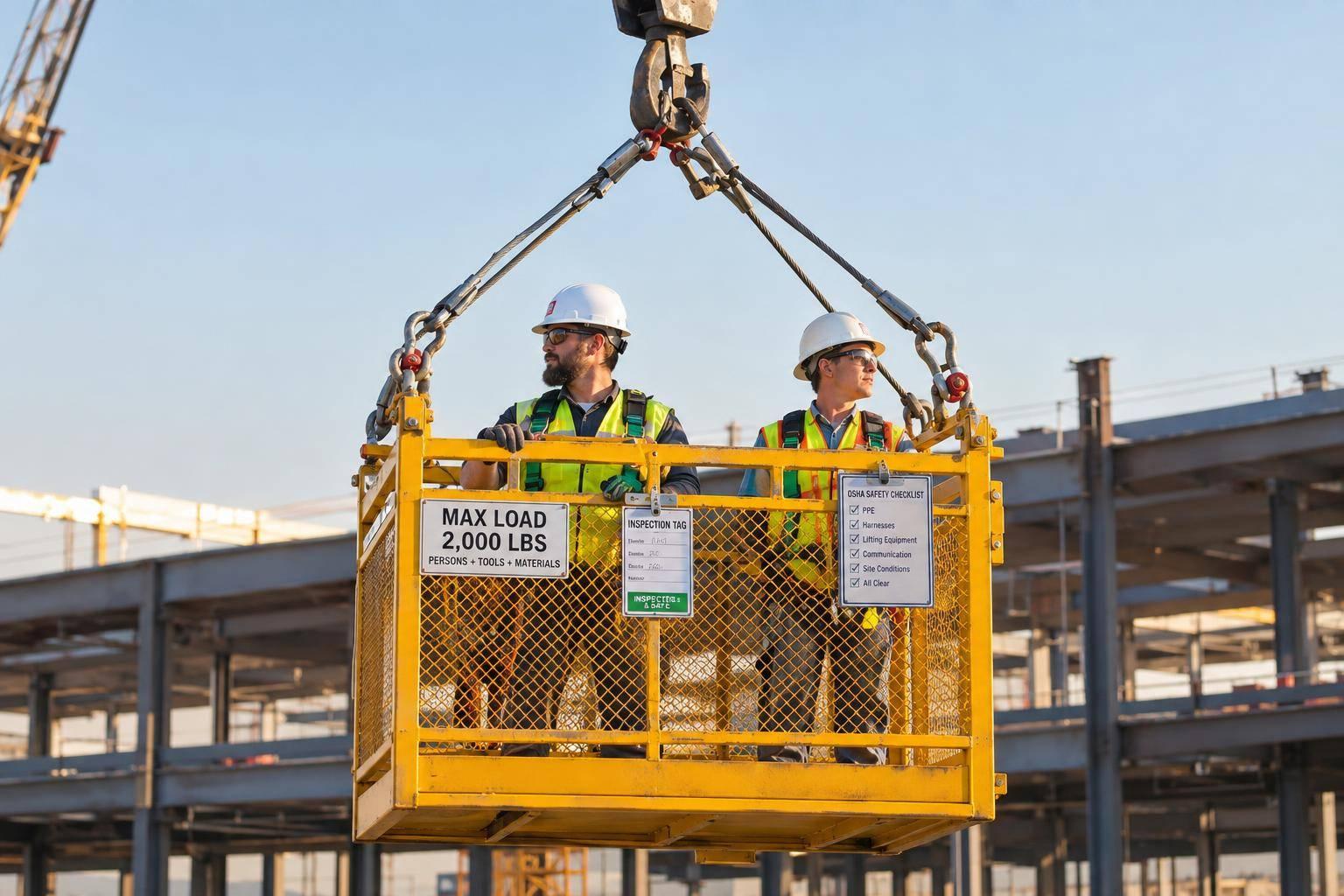
Man Basket Safety Standards: OSHA Guidelines
OSHA checklist for crane-hoisted man baskets: design, proof tests, trial lifts, fall protection, training, and rescue plans.
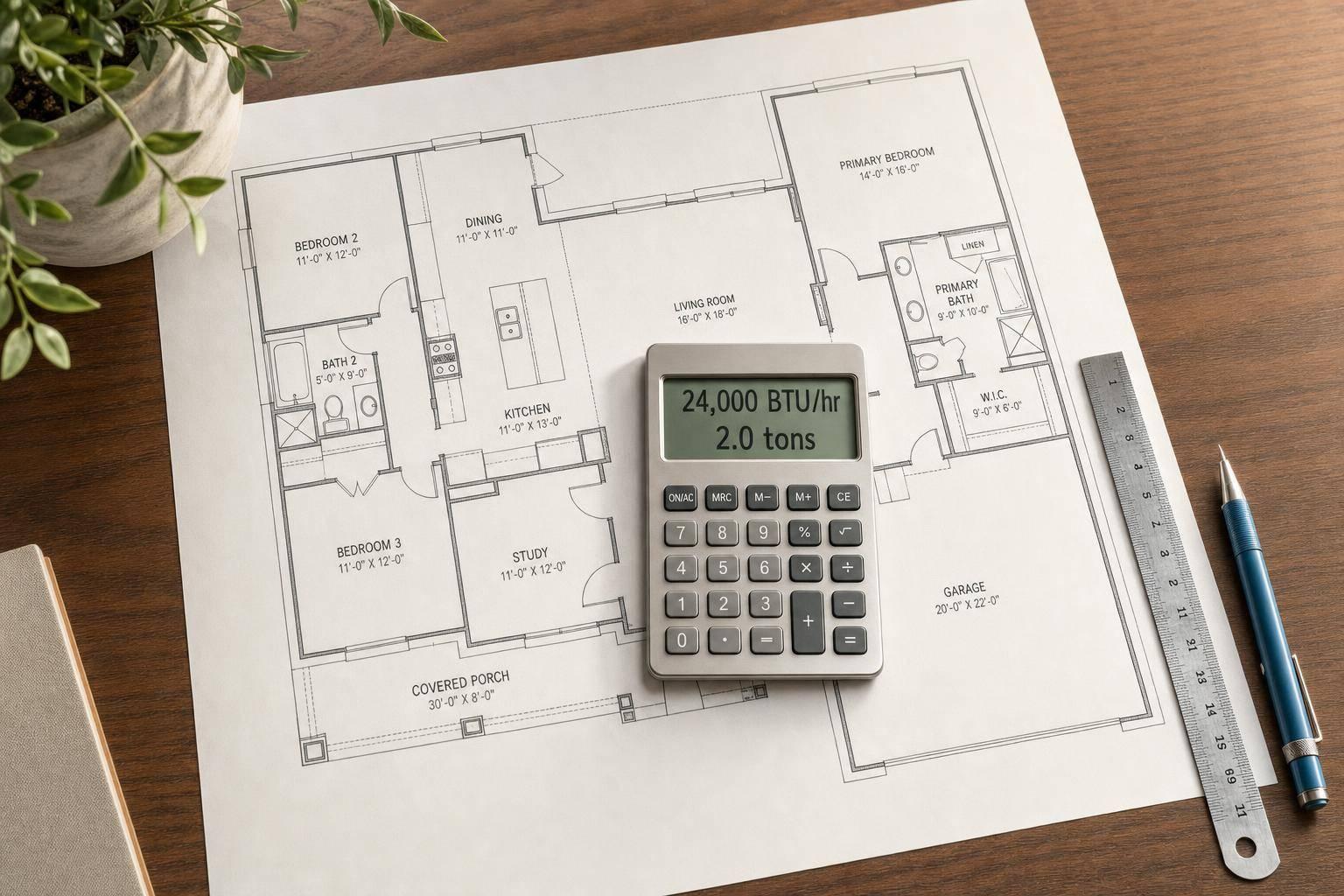
HVAC Tonnage Calculator
Estimate AC size in BTU/hr and tons using area, climate, insulation, and more—then compare your result with practical unit size ranges.
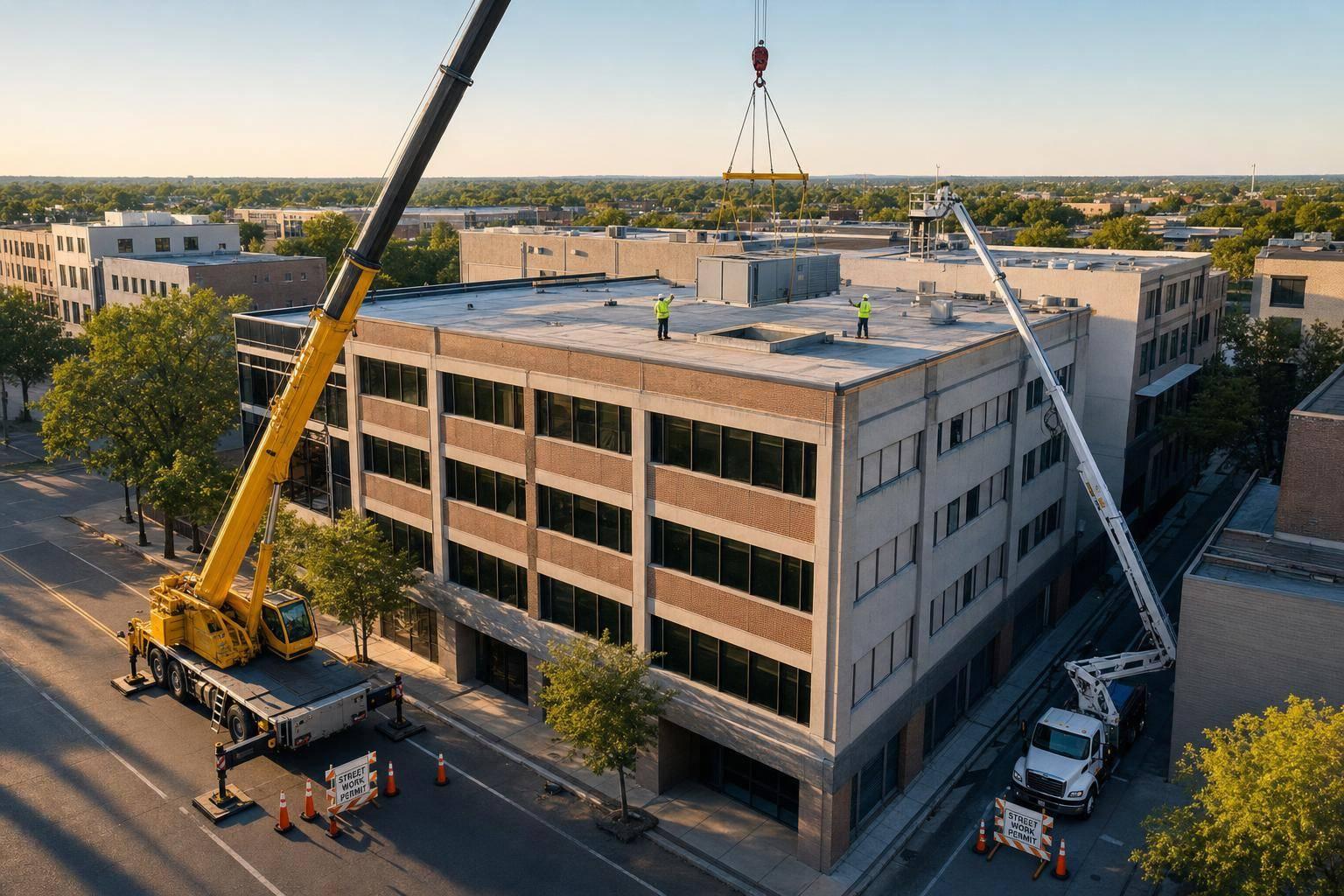
Crane vs Boom Truck for HVAC Lifting
Compare boom trucks vs mobile cranes for rooftop HVAC lifts—weight, height, working radius, site access, permits, and true job cost.