Crane Reach and Height Estimator
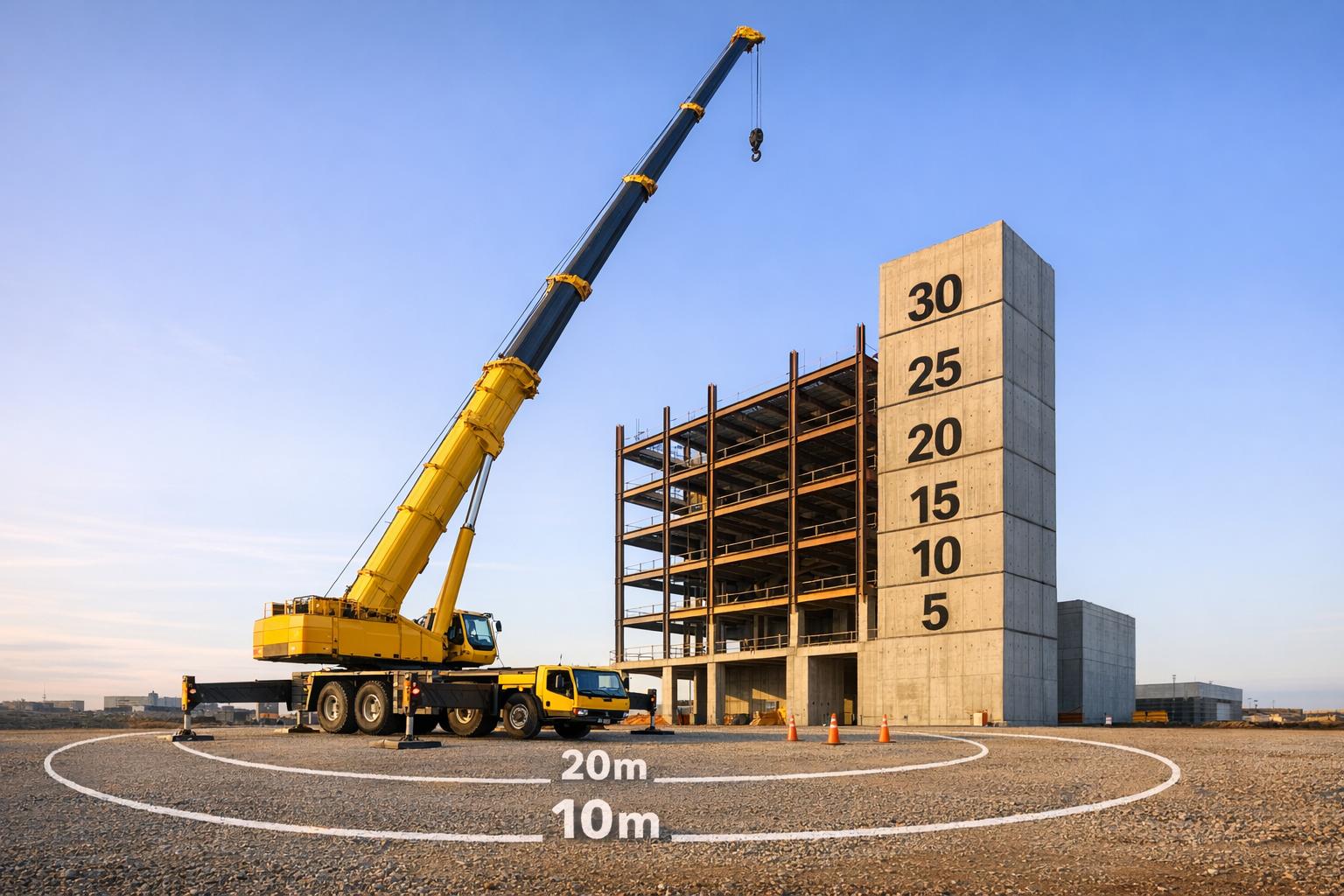
Plan Smarter with a Crane Reach and Height Estimator
When it comes to construction projects, knowing whether your equipment can handle the spatial demands of a site is crucial. A crane reach and height estimator simplifies this process by providing quick calculations to determine if a crane can meet your needs. Whether you're a project planner mapping out a high-rise build or an operator prepping for a heavy lift, having a reliable way to assess equipment capabilities saves time and reduces risk.
Why Accurate Crane Planning Matters
Misjudging a crane’s capacity can lead to costly delays or safety hazards. By inputting basic details like boom length, jib specs, and working radius, you can visualize the equipment’s limits across various angles. This kind of tool is especially handy for comparing different models, such as tower versus telescopic options, before committing to a rental or purchase. Beyond just numbers, it gives you confidence that your setup aligns with the job’s unique challenges.
Tailor Your Approach to Every Site
Every construction zone has its quirks—obstructions, tight spaces, or height restrictions. While a digital estimator for crane dimensions offers a solid starting point, it’s a reminder to pair these insights with on-the-ground assessments. Use this resource to streamline your workflow and keep projects moving forward without second-guessing.
FAQs
How accurate are the height and reach estimates?
These estimates are based on standard geometric formulas for boom angles between 30° and 80°, along with typical manufacturer data. They’re meant for quick planning, not final engineering decisions. Always consult detailed specs and a site survey for precision, especially with tricky obstructions or unique setups.
Can this tool account for site-specific obstacles?
Not directly. This estimator focuses on the crane’s theoretical maximum reach and height based on your inputs. It’s up to you to factor in things like buildings, power lines, or uneven terrain. We include a reminder in the results to consider safety clearances and site conditions before making decisions.
What types of cranes can I calculate with this tool?
Right now, we support common types like tower cranes and telescopic cranes, as they’re widely used across job sites. Just pick the type from the dropdown, and the tool adjusts its calculations to match typical configurations for that model. If you’ve got a specialty crane, reach out, and we might expand the options down the road!
Related Articles
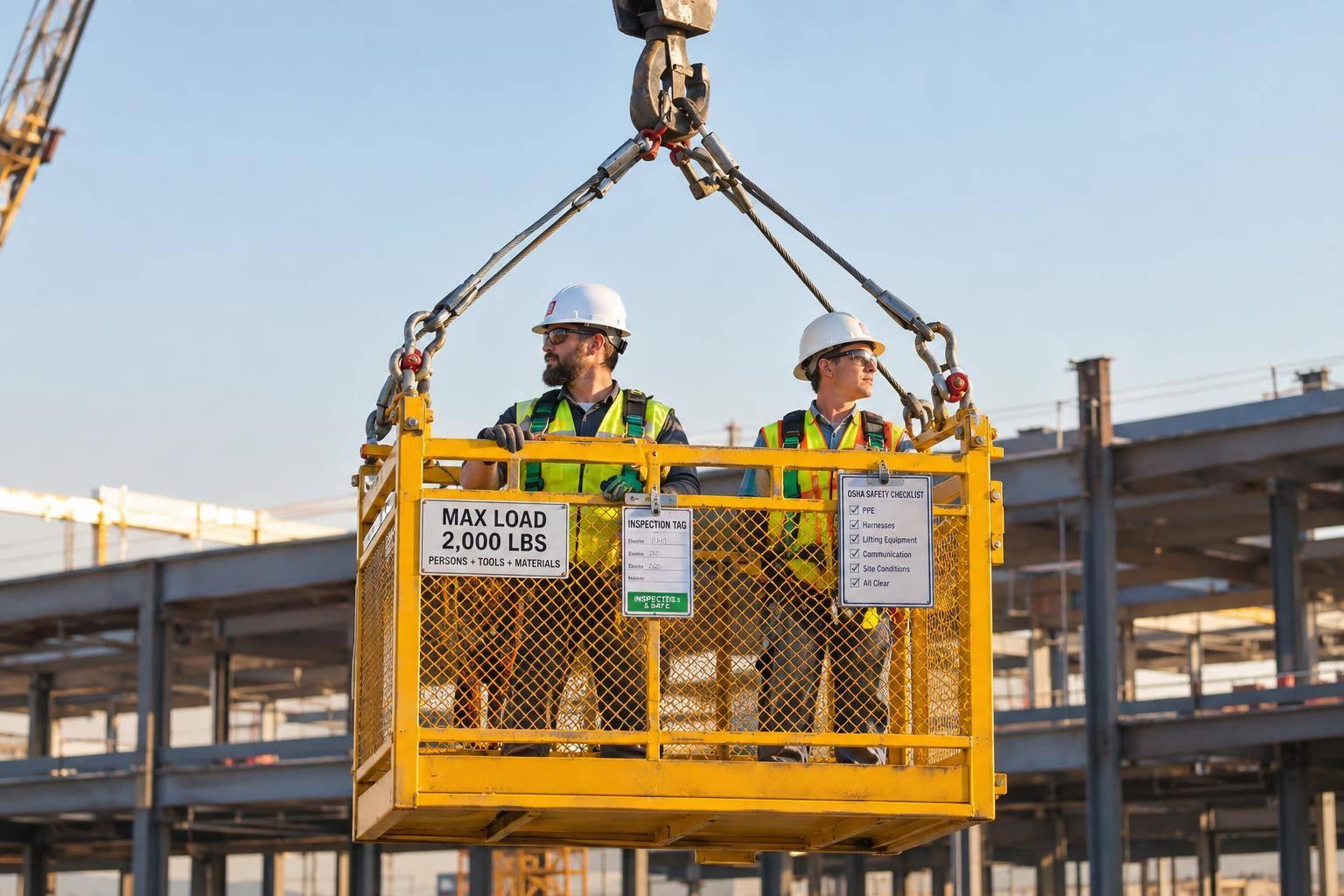
Man Basket Safety Standards: OSHA Guidelines
OSHA checklist for crane-hoisted man baskets: design, proof tests, trial lifts, fall protection, training, and rescue plans.
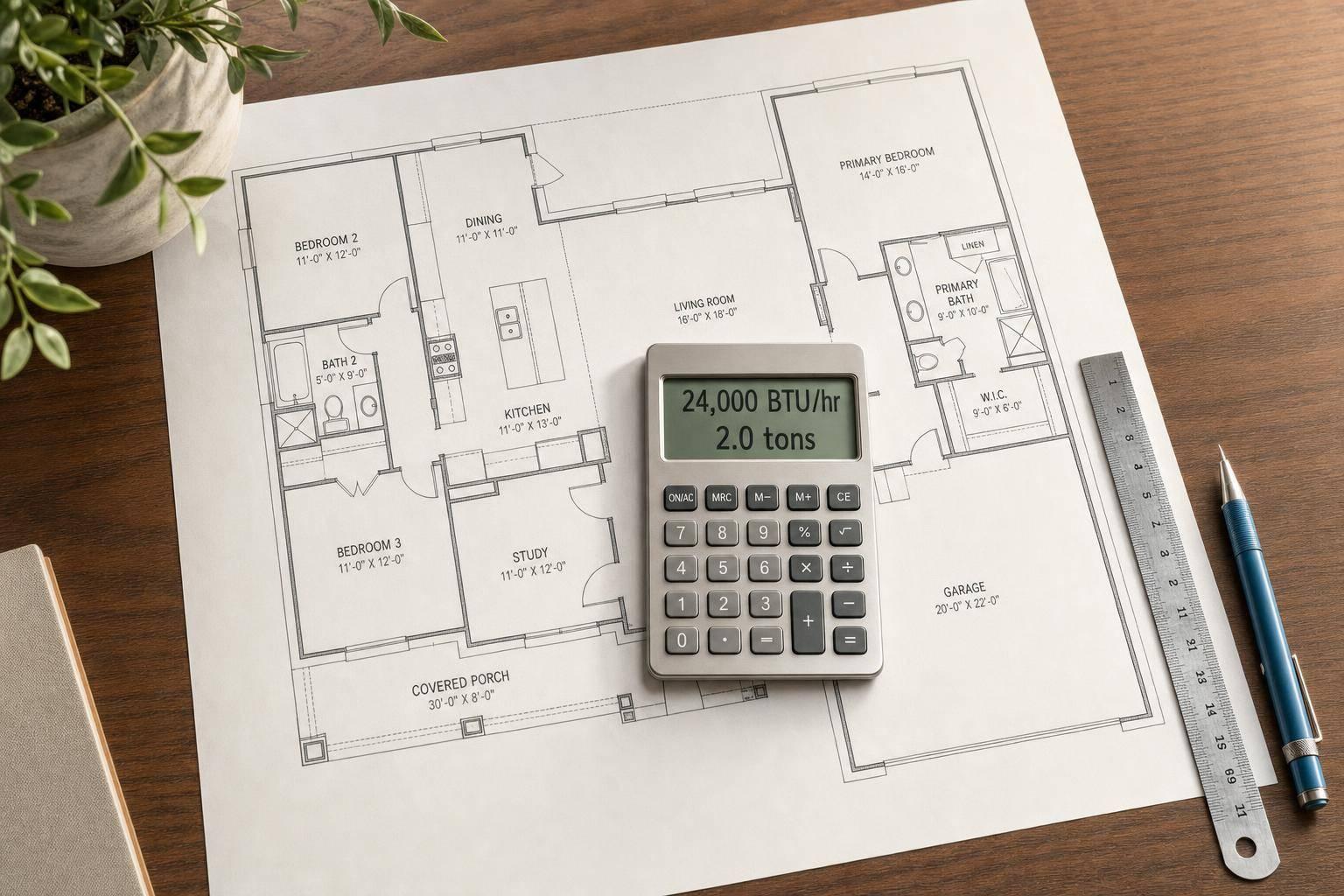
HVAC Tonnage Calculator
Estimate AC size in BTU/hr and tons using area, climate, insulation, and more—then compare your result with practical unit size ranges.
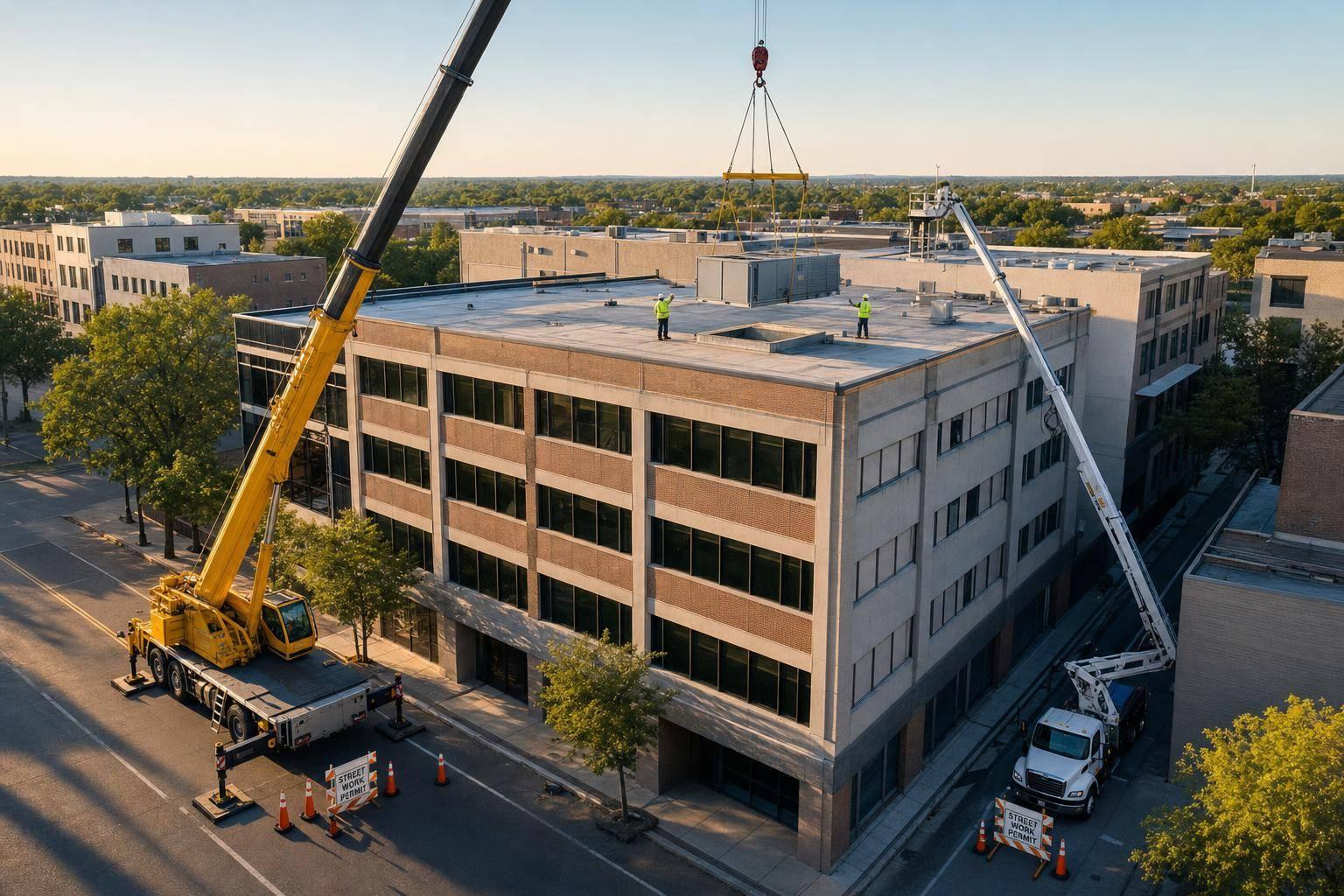
Crane vs Boom Truck for HVAC Lifting
Compare boom trucks vs mobile cranes for rooftop HVAC lifts—weight, height, working radius, site access, permits, and true job cost.