
Crane Safety Compliance Checker

Ensure Safety with a Crane Compliance Tool
When it comes to construction, nothing matters more than keeping your team and equipment safe. Crane operations, in particular, carry significant risks if not managed properly. That’s where a digital solution like a crane safety assessment tool comes in handy. It’s a straightforward way to double-check that your setup aligns with critical regulations, helping you avoid accidents and costly downtime.
Why Crane Safety Matters
Every year, preventable errors in crane handling lead to injuries and project delays. Factors like overloading, poor ground conditions, or skipped inspections can turn a routine lift into a hazard. By using a resource that evaluates these elements against standards like OSHA guidelines, you’re taking a proactive step. A quick check can reveal if your load weight is pushing limits or if wind speeds on-site pose a threat, giving you a chance to adjust before lifting even starts.
Beyond the Basics
While no online tool replaces an expert’s eye, having a preliminary report can make all the difference. It’s about building a culture of safety on your worksite, ensuring every detail—from lifting height to maintenance logs—is accounted for. Stay ahead of risks and keep your projects running smoothly with this kind of support.
FAQs
How accurate is this Crane Safety Compliance Checker?
Our tool is designed to give you a solid starting point by cross-referencing your inputs with widely accepted safety standards like those from OSHA. That said, it’s not a replacement for a certified safety inspector’s evaluation. Think of it as a helpful guide to spot potential issues before they become bigger problems. Always follow up with a professional if something seems off or if your site has unique challenges.
What kind of recommendations does the tool provide?
The recommendations depend on what you input. For instance, if your load weight exceeds the crane’s rated capacity, it’ll flag that and suggest reducing the load or using a different crane type. If your inspection dates are outdated, it might nudge you to schedule a check ASAP. Basically, it’s practical advice tailored to the specific risks it detects, helping you take action before something goes wrong.
Can I use this tool for any type of crane?
Yes, the tool is built to handle a variety of crane types—tower, mobile, overhead, you name it. Just select the type from the options and fill in the relevant details. It’ll adjust the compliance checks based on typical standards for that equipment. If there’s something super specialized about your setup, though, keep in mind the tool sticks to general guidelines and might not cover every niche regulation.
Related Articles
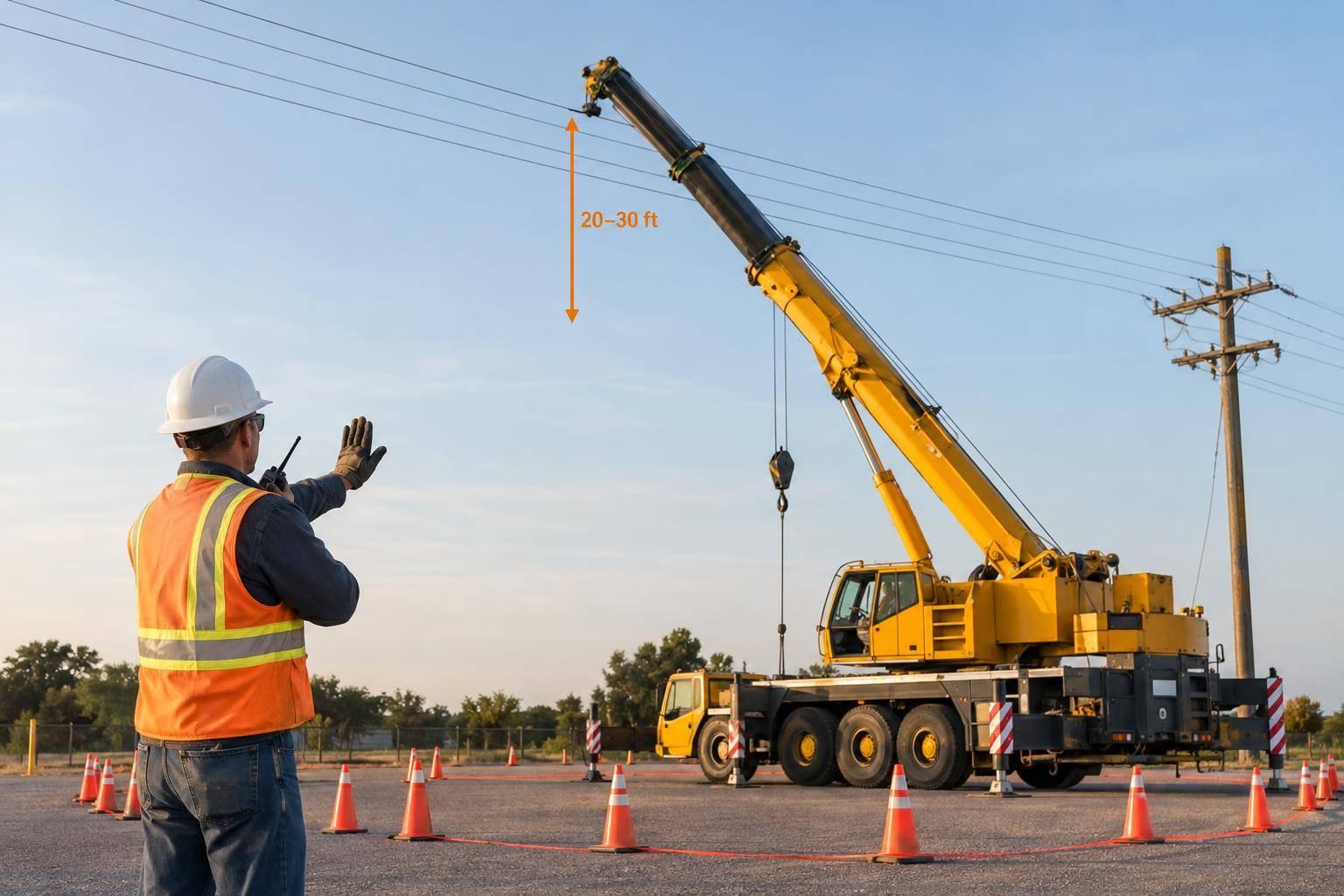
OSHA Guidelines for Overhead Clearance in Crane Operations
OSHA rules for crane work near power lines: when to keep 20-50 ft clearance, required controls, spotter duties, and pre-lift checks.
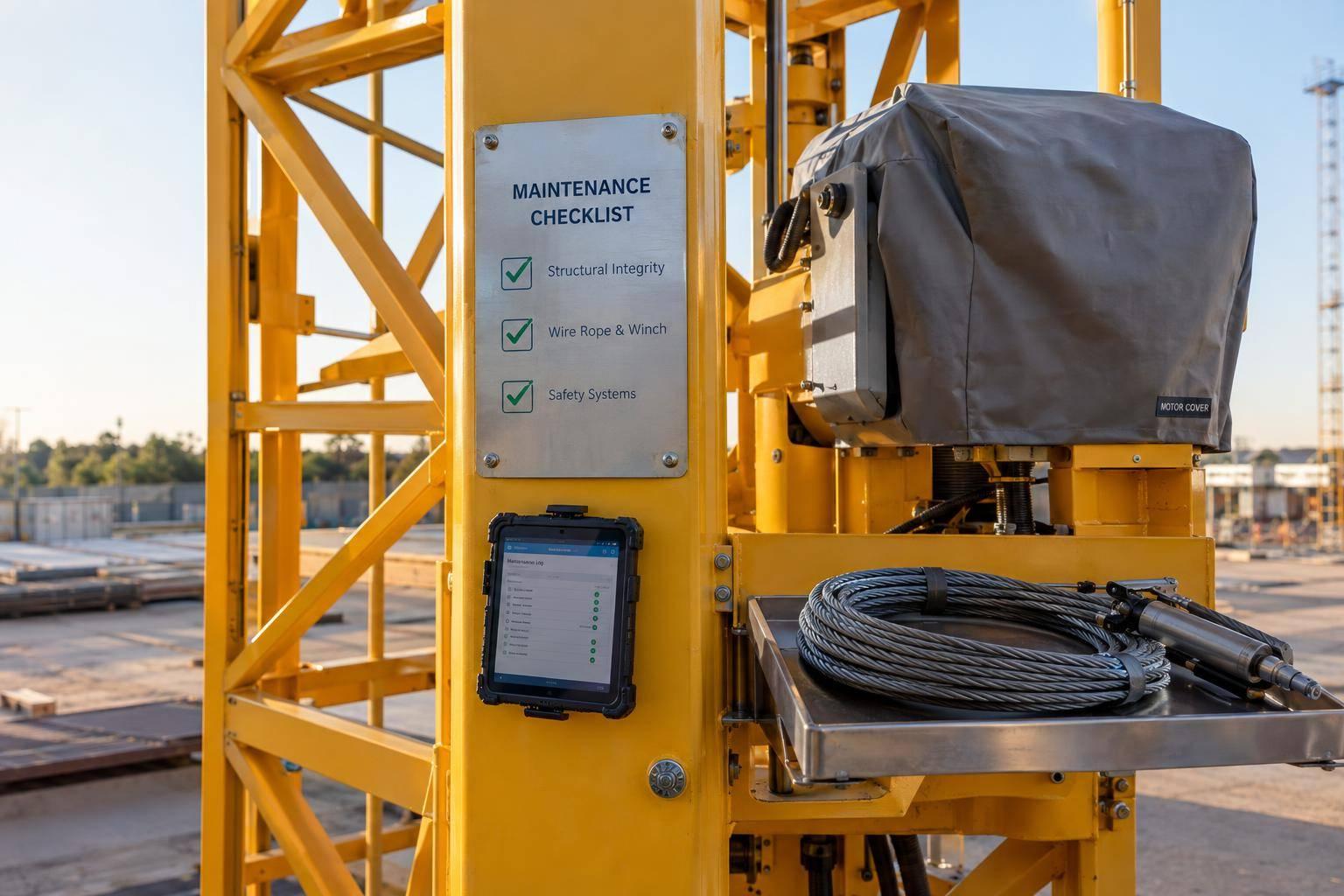
Checklist for Cost-Effective Crane Maintenance
Daily and scheduled inspections, lubrication, weather protection, and recordkeeping to reduce crane repairs, downtime, and maintenance costs.
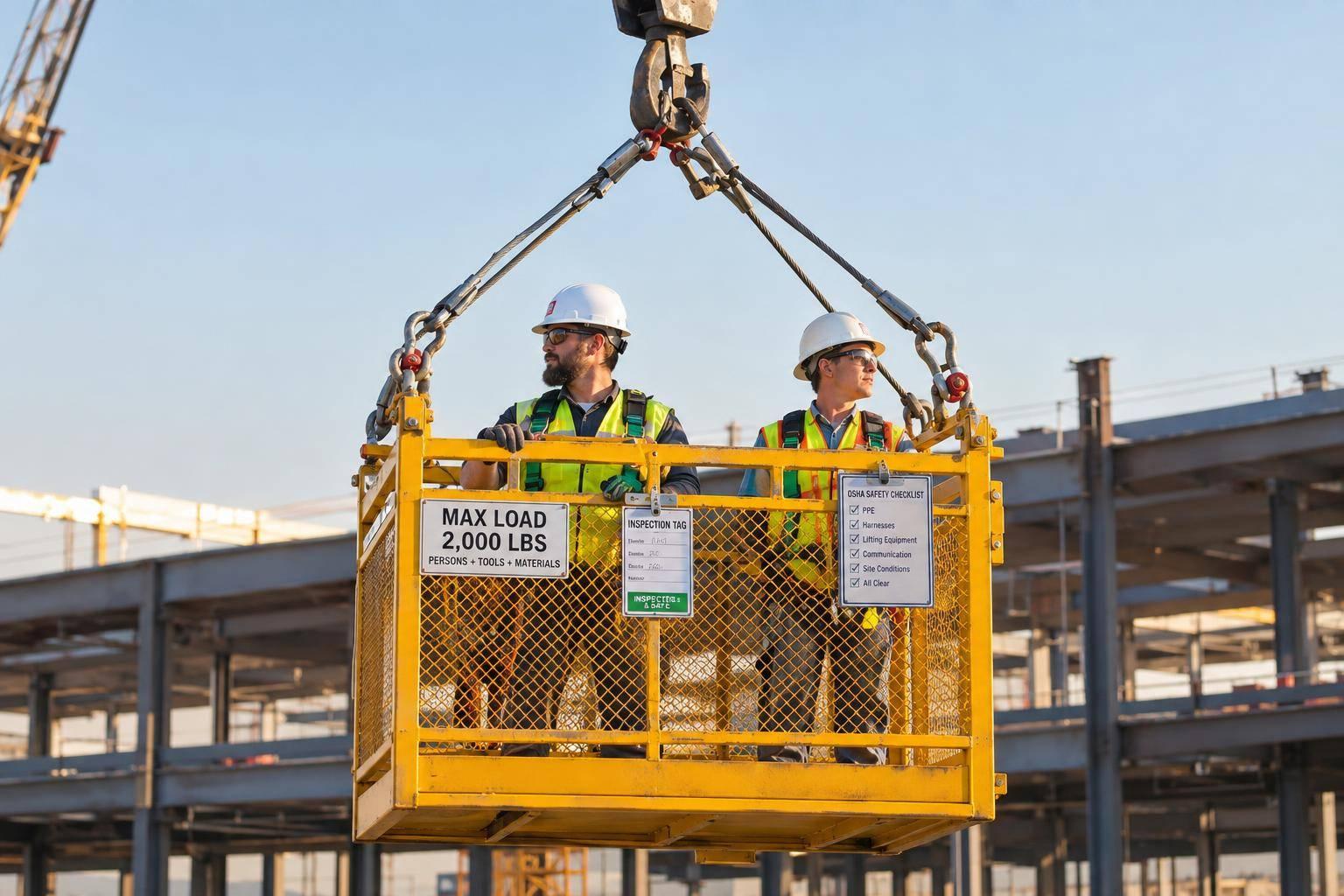
Man Basket Safety Standards: OSHA Guidelines
OSHA checklist for crane-hoisted man baskets: design, proof tests, trial lifts, fall protection, training, and rescue plans.