Rigging Risk Assessment Tool
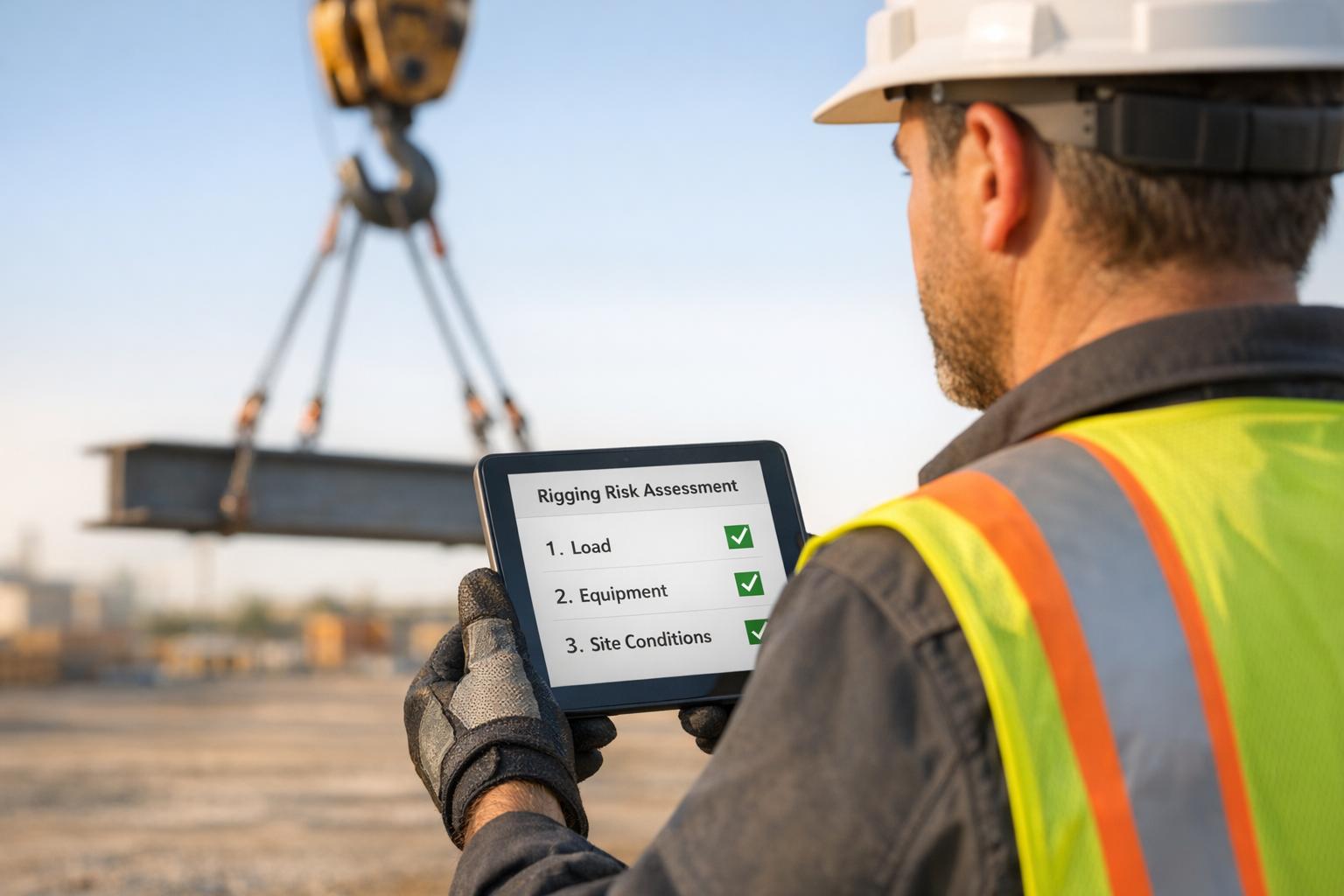
Ensure Safety with a Rigging Risk Assessment Tool
When it comes to lifting operations, safety isn’t just a checkbox—it’s the foundation of every successful job. Heavy loads, unpredictable weather, and equipment wear can turn a routine task into a dangerous situation in seconds. That’s where a well-designed hazard evaluation system comes in, helping crews identify potential issues before they escalate. By focusing on key variables like load characteristics and site conditions, you can drastically reduce the chance of accidents on your worksite.
Why Assessing Lifting Hazards Matters
Every year, countless incidents occur due to overlooked risks in rigging and lifting tasks. A simple miscalculation of weight distribution or ignoring environmental factors can lead to catastrophic failures. Using a dedicated tool to analyze these elements ensures that safety officers and teams have a clear picture of what they’re up against. It’s not about adding extra steps to your workflow; it’s about making smart, informed decisions that protect everyone involved. Whether you’re on a bustling construction site or a smaller project, taking a moment to evaluate dangers with a reliable system can be the difference between a job well done and a preventable disaster.
FAQs
How does this tool calculate risk for lifting operations?
Great question! Our Rigging Risk Assessment Tool looks at key factors like the load’s weight and shape, the type of rigging gear you’re using, environmental stuff like wind or uneven ground, and even the experience of your crew. It cross-references these against known risk indicators—think load shifts or gear failure—and assigns a score for both likelihood and severity. The result is a simple risk level (low, medium, high) that tells you where the danger lies, plus tips to address it. It’s built to keep things practical, not bog you down with endless data.
Can I trust the mitigation strategies provided by the tool?
Absolutely. The strategies come from industry best practices and safety guidelines that rigging pros rely on every day. For instance, if the tool flags a high risk due to windy conditions, it might suggest rescheduling the lift or using additional stabilizing gear. These aren’t just generic tips—they’re tailored to the specific hazards your inputs reveal. That said, always double-check with on-site conditions and your team’s expertise, since no tool can replace human judgment in real-time scenarios.
Is this tool suitable for small-scale rigging jobs?
Yes, it’s designed for all kinds of lifting operations, big or small. Whether you’re hoisting a few hundred pounds in a workshop or managing a massive load on a construction site, the tool adapts to your inputs. You’ll still enter the same core details—load specs, equipment, environment, and crew readiness—and get a risk assessment that fits the scale of your job. It’s especially handy for smaller crews who might not have a dedicated safety officer, giving you a quick way to ensure nothing’s overlooked.
Related Articles
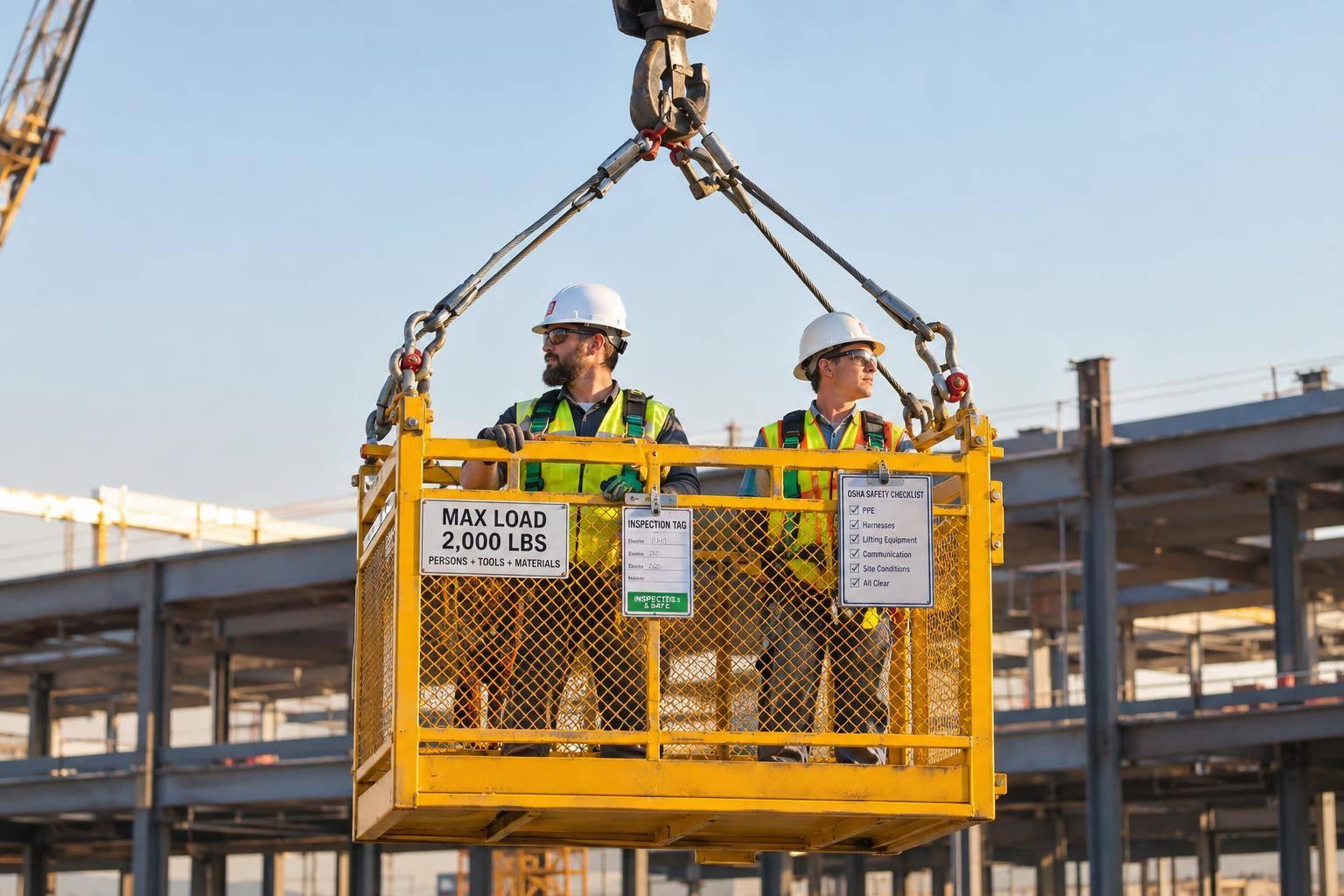
Man Basket Safety Standards: OSHA Guidelines
OSHA checklist for crane-hoisted man baskets: design, proof tests, trial lifts, fall protection, training, and rescue plans.
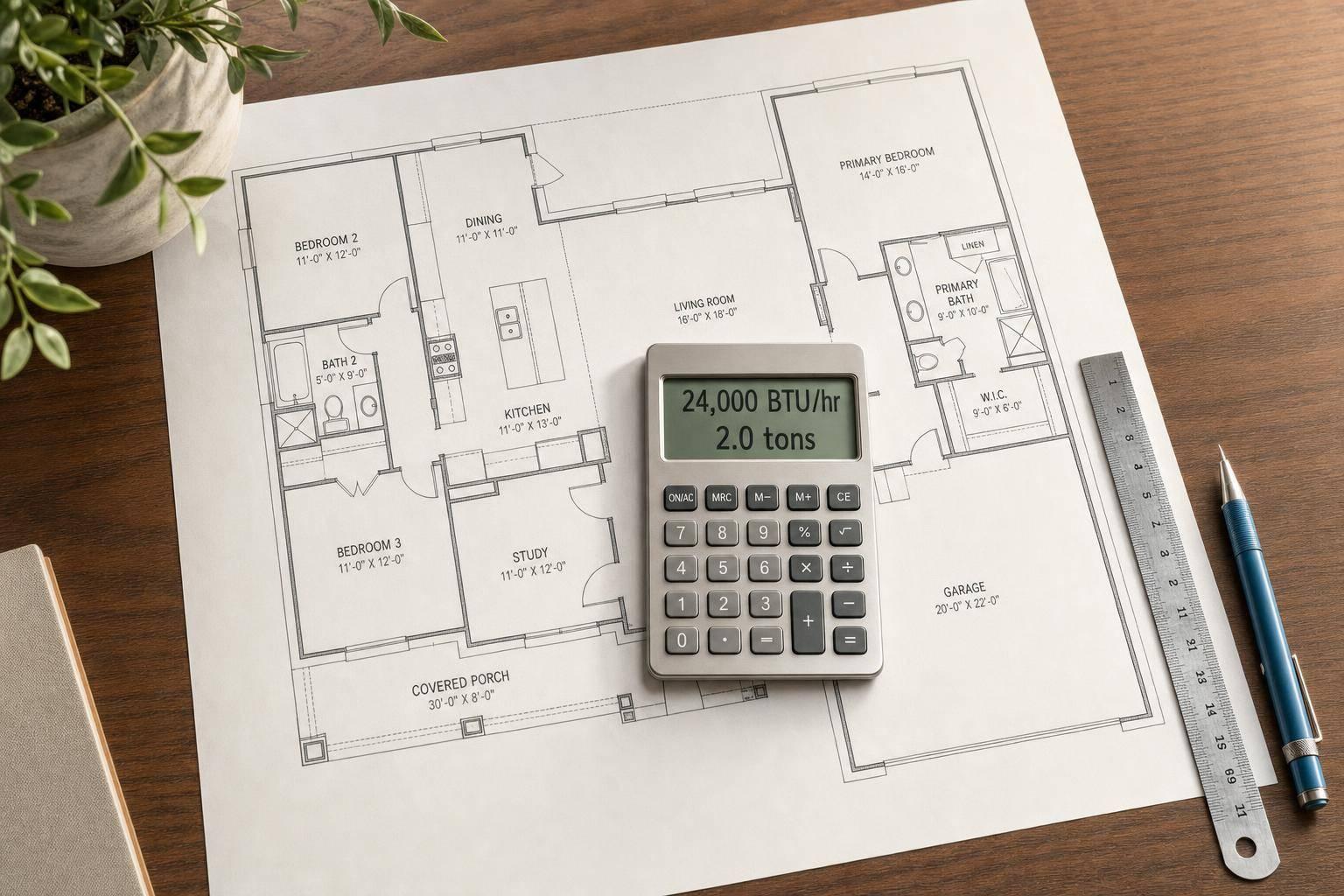
HVAC Tonnage Calculator
Estimate AC size in BTU/hr and tons using area, climate, insulation, and more—then compare your result with practical unit size ranges.
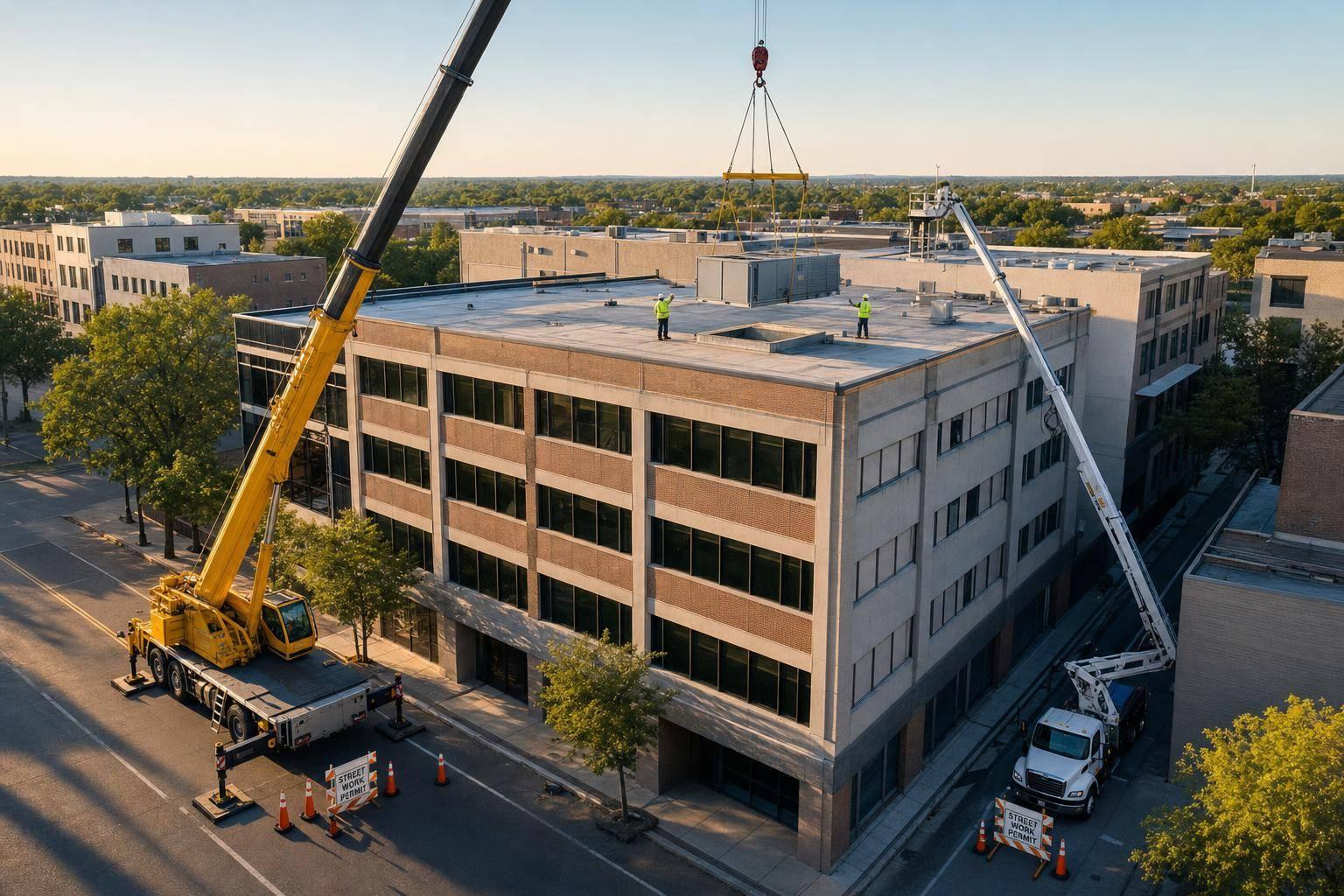
Crane vs Boom Truck for HVAC Lifting
Compare boom trucks vs mobile cranes for rooftop HVAC lifts—weight, height, working radius, site access, permits, and true job cost.