
When Lawsuits are the New Lottery: Keeping Your Jobsite Safe

It’s a critical time for construction safety—as many industry professionals liken jobsite injury lawsuits to winning the lottery. This means that now, more than ever, it’s crucial for all those involved in a construction project – think property owners, contractors, stakeholders, etc. – that you hire a reputable crane and rigging company full of knowledgeable professionals with top-notch safety training.
That’s where we come in.
At L&M Crane and Rigging, safety is our top priority. In addition to being licensed in NYC, NYS and NJ, all L&M Crane & Rigging operators are OSHA, NCCCO, Bechtel and Jacobs-certified.
OSHA Requirements & Jobsite Safety
Preparation is a key component to keeping any jobsite safe. That’s why we ensure that all our crane and rigging professionals don’t just meet OSHA requirements—they exceed them. We believe that “tool box talks” can’t possibly replace the benefits of official training. All safety trainings at L&M Crane are conducted on a continuous basis and documented appropriately.
Protect Your Company: Choose L&M Crane
All L&M Crane & rigging safety trainings are completed not only to refresh our employees’ skills, but to add to the defenses of our valued clients—clients just like you.
Experience the peace of mind that comes with hiring professionals that hold the highest safety standards for crane and rigging services: L&M Crane & Rigging.
Read more about L&M Crane & Rigging’s safety practices in the blog posts below:
Related Articles
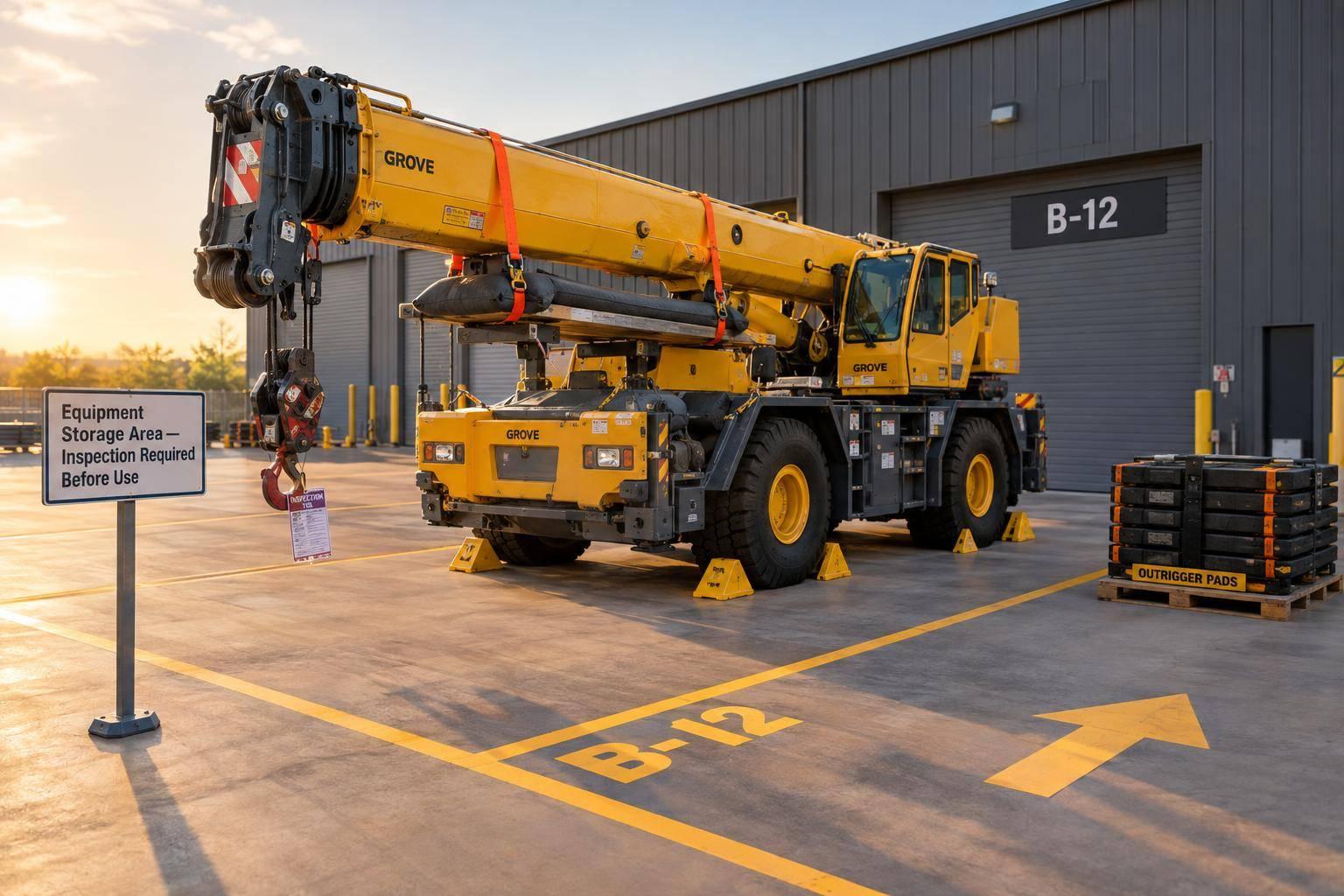
OSHA Rules for Crane Equipment Storage
Storing cranes safely requires following OSHA standards, manufacturer instructions, and qualified inspections before reuse.
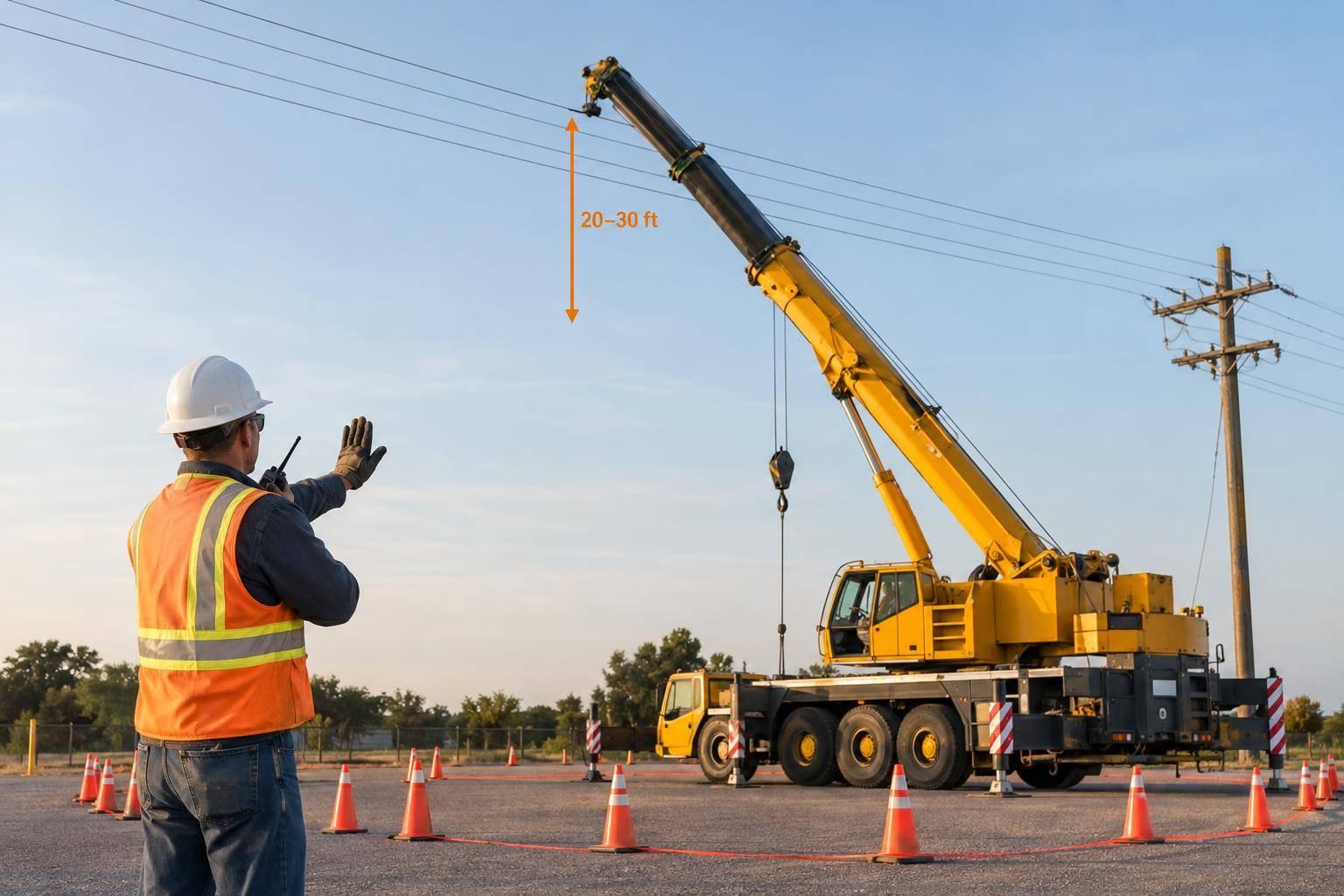
OSHA Guidelines for Overhead Clearance in Crane Operations
OSHA rules for crane work near power lines: when to keep 20-50 ft clearance, required controls, spotter duties, and pre-lift checks.
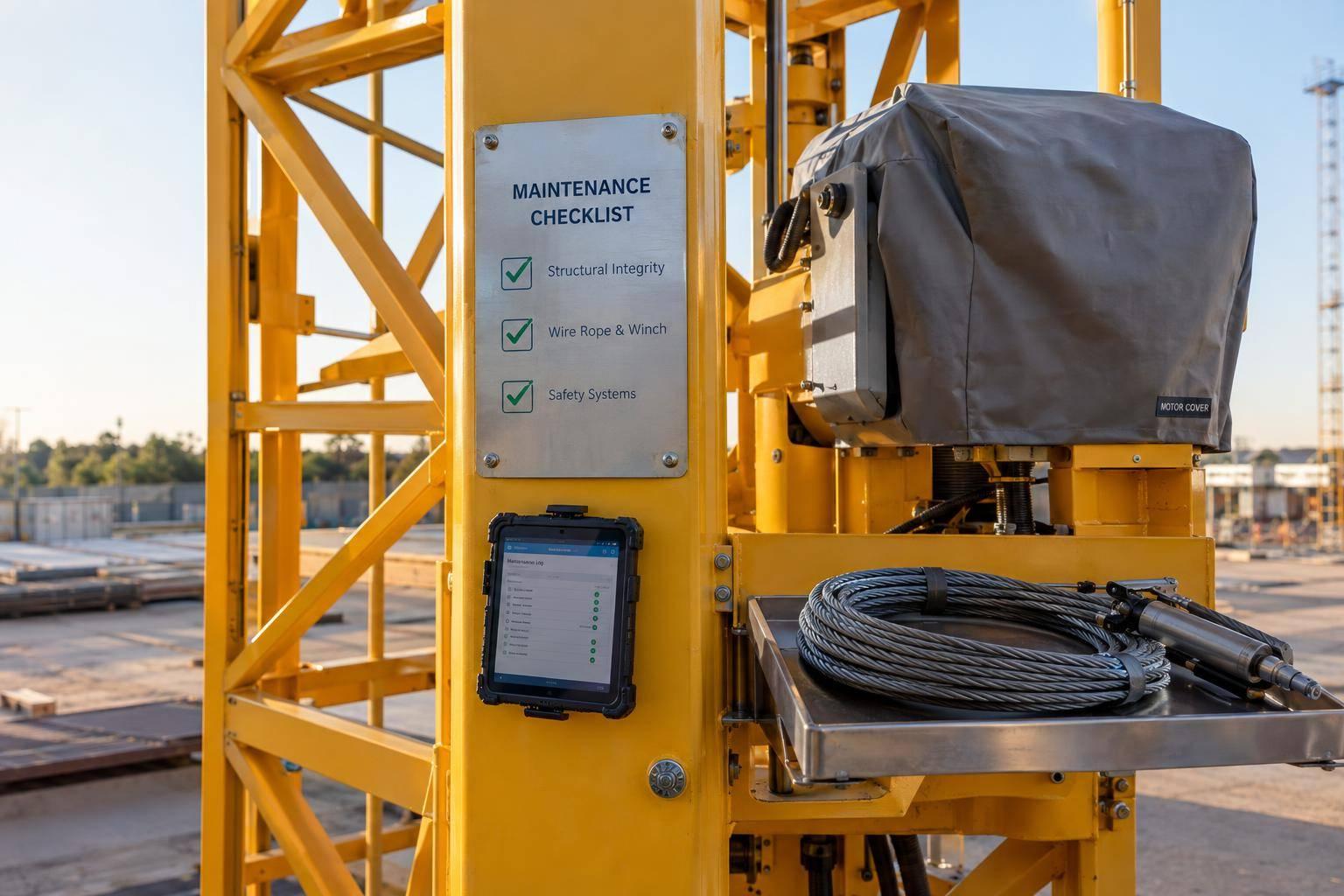
Checklist for Cost-Effective Crane Maintenance
Daily and scheduled inspections, lubrication, weather protection, and recordkeeping to reduce crane repairs, downtime, and maintenance costs.